
Buying guide
Best solar lights for a garden path: 7 picks for walkways and steps
Feit Electric's OneSync 12-inch solar pathway light is the best path-first choice because it documents 40 lm per light, up to 8 hours from dusk to dawn, a removable battery, and a purpose-built ground stake. Brighter spotlights and wall lights belong in this list only as labeled alternatives.
Quick answer
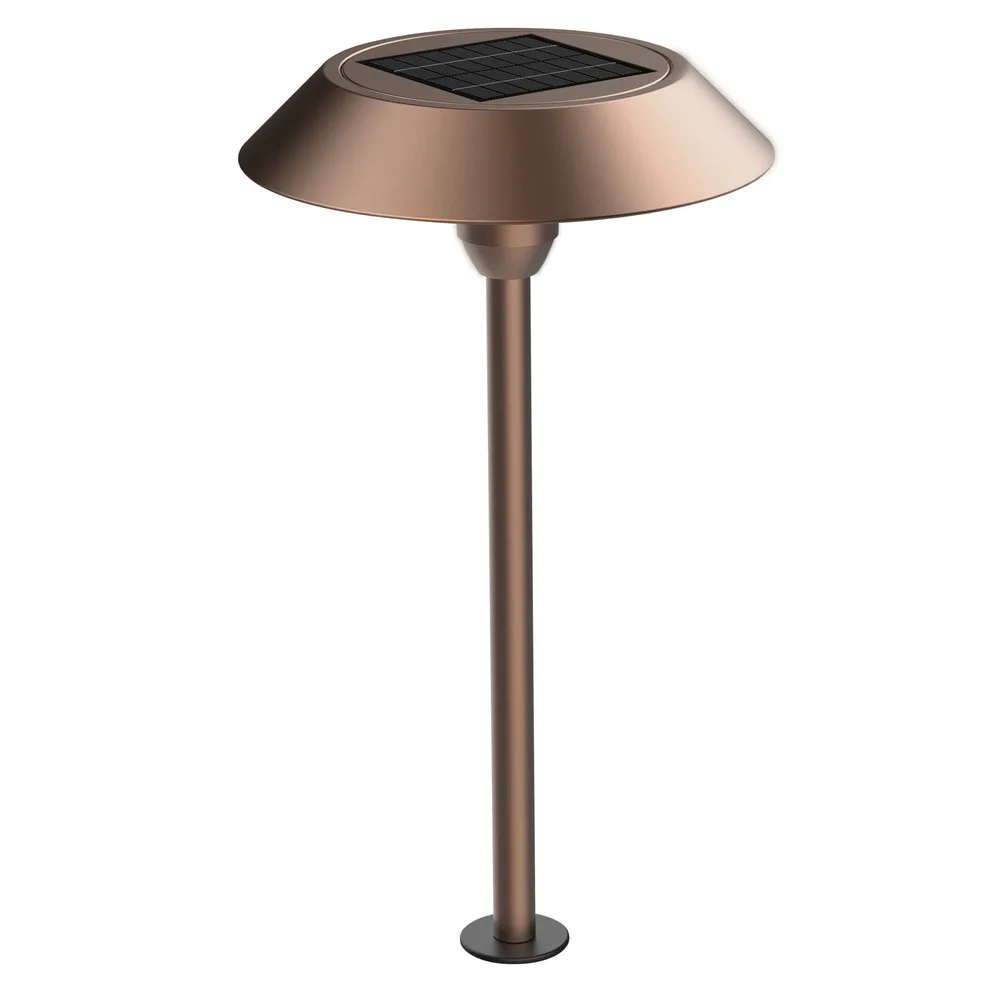
For a path-first installation, start with Feit Electric OneSync 12 in Bronze Solar Pathway Light PATH/SYNC/SOL/BZ/RP. Feit lists 40 lm per light, up to 8 hours from dusk to dawn, an integrated solar panel, a removable 18650 lithium-ion battery, and a ground-stake pathway design. It is built for marking a route rather than aiming at a tree.
Sunco and BLACK+DECKER are also dedicated path lights. Nanoleaf covers path and garden accents, while Ring is a step-edge option. Philips is a wall-mounted alternative, not a pathway stake. She Gardens did not test path illumination, runtime, or weather resistance. Check the current listing and instructions before installation.
| Rank | Product | Best fit | Main drawback |
|---|---|---|---|
| 1 | Feit Electric OneSync 12 in Bronze Solar Pathway Light PATH/SYNC/SOL/BZ/RP | Purpose-built route marking | 40 lm per light |
| 2 | Sunco Round Solar Path Lights | Low-output ambient markers | 3 to 4 lm |
| 3 | BLACK+DECKER Outdoor Solar Path Lighting BDSLPT8P | Simple eight-light path set | Lumens are not disclosed |
| 4 | Linkind Warm White Solar Pathway Lights SP3 | Warm white pathway format | Runtime is not disclosed |
| 5 | Nanoleaf Solar Garden Lights 2-Pack | Path and flowerbed accents | Estimated 4 to 8 h |
| 6 | Ring Solar Steplight | Step edges and decks | Up to 50 lm |
| 7 | Philips Outdoor Solar Wall Lights 10W | Wall beside a path | Wall fixture, not a path stake |
The seven path-light picks
1. Feit Electric OneSync pathway light
The Feit Electric OneSync PATH/SYNC/SOL/BZ/RP is the best match for a conventional path-light job. Feit lists 40 lm per light and up to 8 hours from dusk to dawn. The integrated panel sits in a ground-stake pathway light, and the product uses a removable 18650 lithium-ion battery.
The OneSync system compatibility may matter if other compatible landscape lights are already part of the garden. Feit calls it wet-location rated but gives no IP code or submersion limit. The 40-lm rating does not promise a particular illuminated distance.
Check the Feit OneSync pathway light
Pros: Path-specific design, removable battery, 40 lm per light, and stated runtime. Cons: Wet-location wording has no IP code, and output is per light.
2. Sunco Round Solar Path Lights
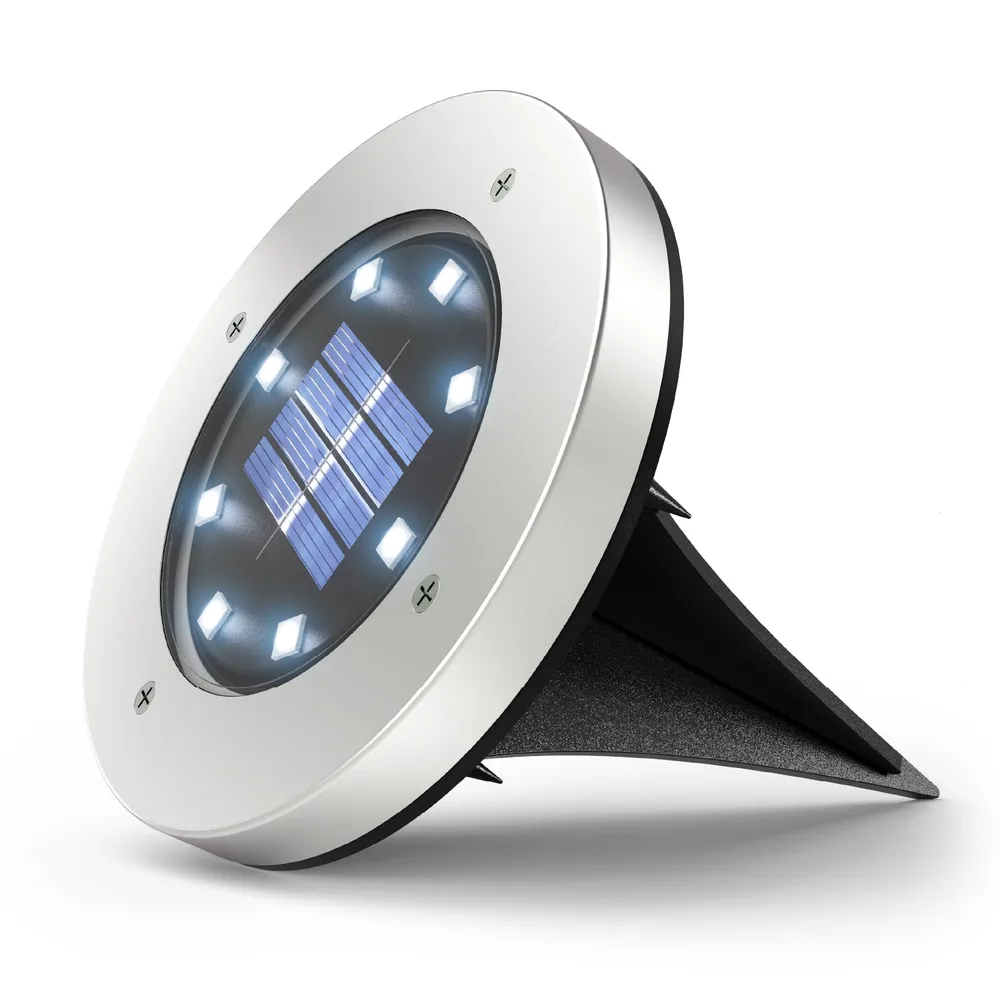
The Sunco Round Solar Path Lights are the low-output ambient marker in this ranking. Sunco lists 3 to 4 lm, 8 to 10 hours when fully charged, a built-in 600 mAh NiMH battery, and a solar panel that needs 6 to 8 hours of direct sun. The ground-spike format suits an edge where you want repeated markers rather than a bright feature beam.
Sunco lists IP65 wet rated, a charging range of 32 F to 104 F, and a discharging range of -4 F to 140 F. IP65 is an ingress rating, not a waterproof promise. Its low lumen figure keeps it below Feit when stronger marking matters.
Check the Sunco round path lights
Pros: Clear path format, 8 to 10 hour full-charge claim, and explicit temperature ranges. Cons: Only 3 to 4 lm per light.
3. BLACK+DECKER BDSLPT8P
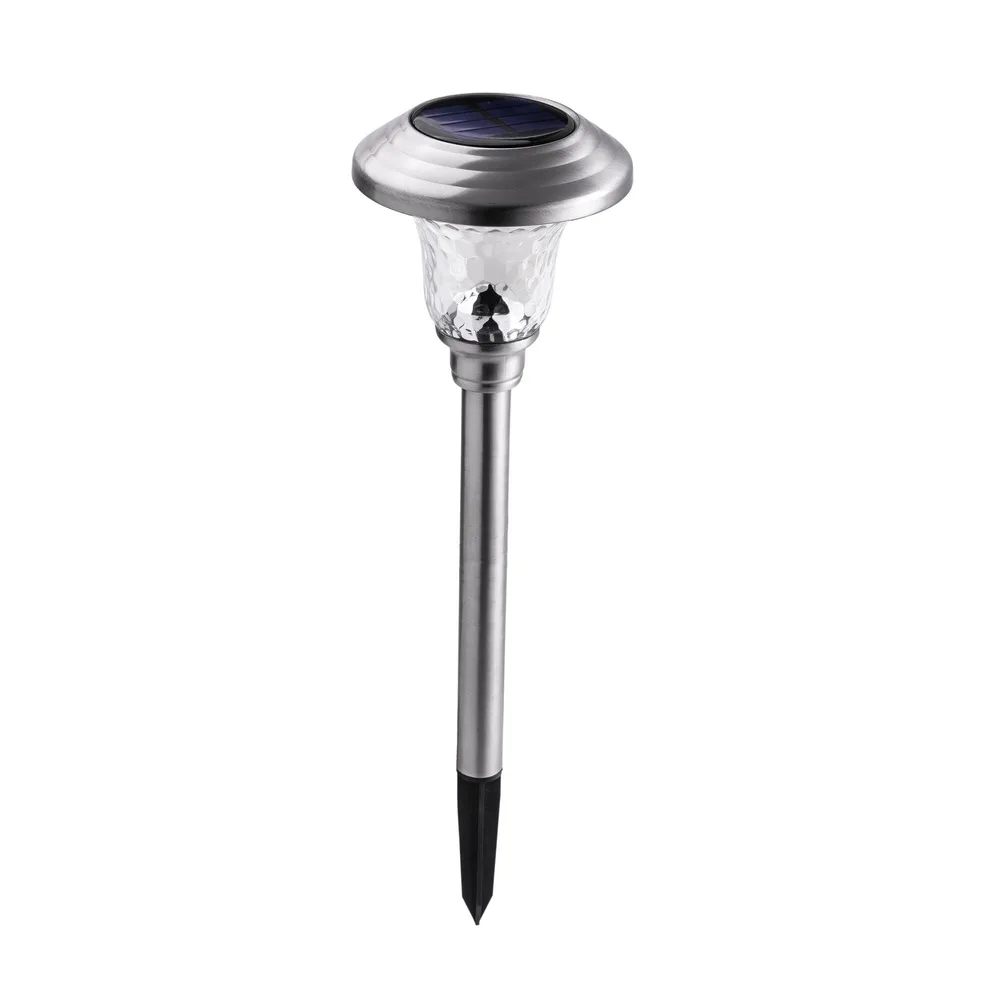
The BLACK+DECKER BDSLPT8P is a simple eight-light ground-stake set. BLACK+DECKER states up to 10 hours after 14 hours of full sunlight. The panel is integrated, and the product record describes the lights as rain and splash resistant.
The reviewed page does not disclose lumens, battery chemistry, capacity, or an IP code. The runtime claim helps, but brightness is unknown.
Check the BLACK+DECKER path lights
Pros: Eight-light path set and a stated 10-hour claim after full sunlight. Cons: Lumens, battery details, and IP code are undisclosed.
4. Linkind SP3
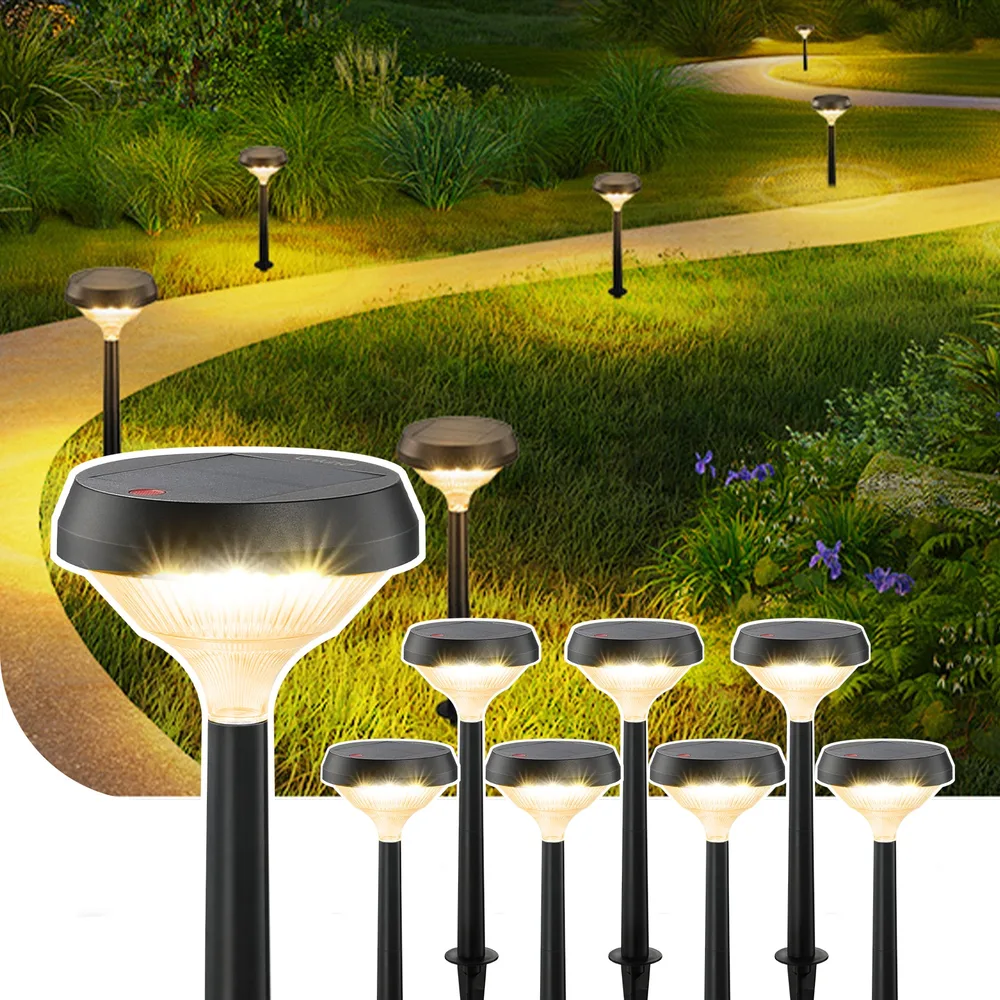
The Linkind SP3 is a warm white pathway light with a documented 200 lm rating. It uses a ground stake and a 3.7 V / 0.8 W solar system. The path-specific shape makes it a better fit here than Linkind’s adjustable spotlights, although runtime is not provided.
Linkind lists IP54 and calls the product splash-proof. That wording does not establish submersion tolerance. Battery chemistry and capacity are also undisclosed. Choose SP3 when the warm white path format and stated output matter more than a complete runtime record.
Pros: Purpose-built path format and 200 lm rating. Cons: No runtime or battery detail, with a lower IP rating than several alternatives.
5. Nanoleaf Solar Garden Lights
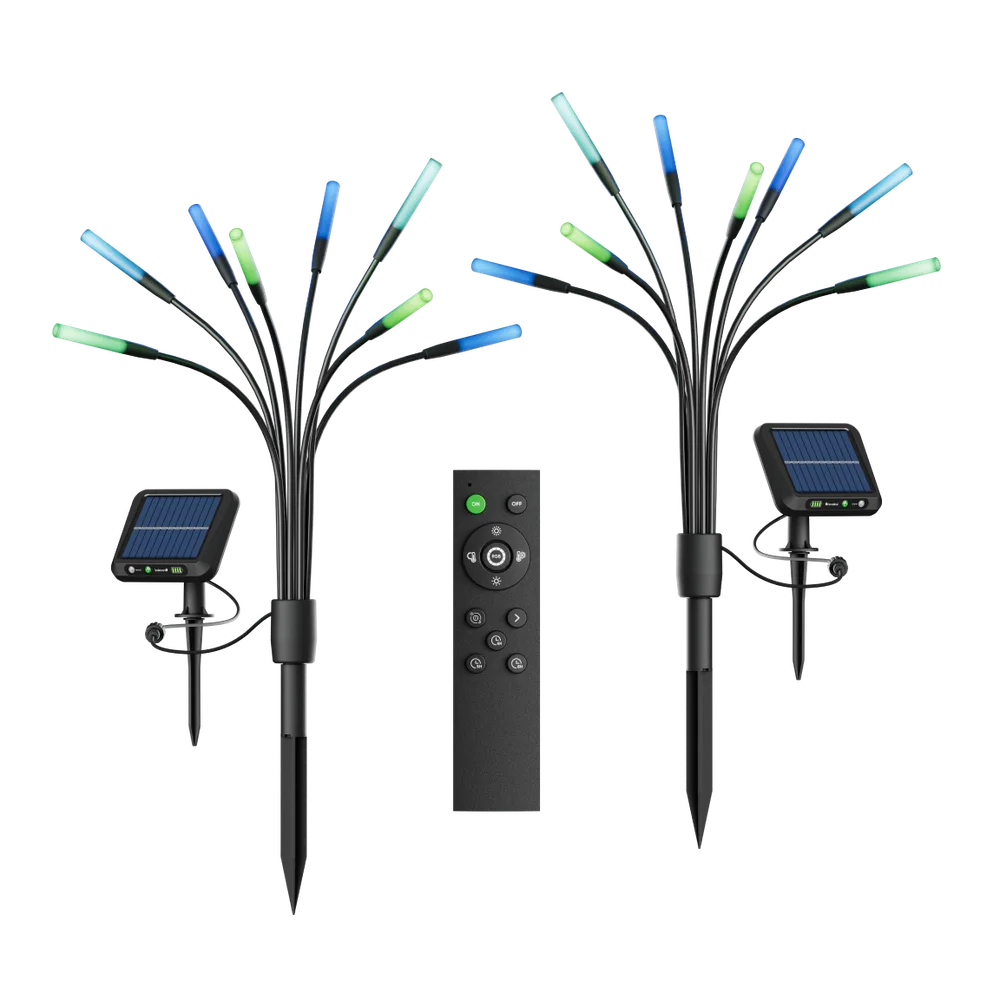
The Nanoleaf Solar Garden Lights fit a path, flowerbed, fence, or garden accent. Nanoleaf rates each light at 50 lm and gives an estimated 4 to 8 hours. Solar and USB-C charging are both documented, along with a 1,200 mAh 18650 lithium battery and IP65.
These are accent lights rather than conventional tall path fixtures. They suit a route beside a bed or fence. The source lists an outdoor range of -25 C to 45 C, and runtime is an estimate.
Check the Nanoleaf Solar Garden Lights
Pros: Path and accent placement, USB-C backup charging, and documented battery capacity. Cons: Estimated 4 to 8 hour runtime and smaller accent format.
6. Ring Solar Steplight
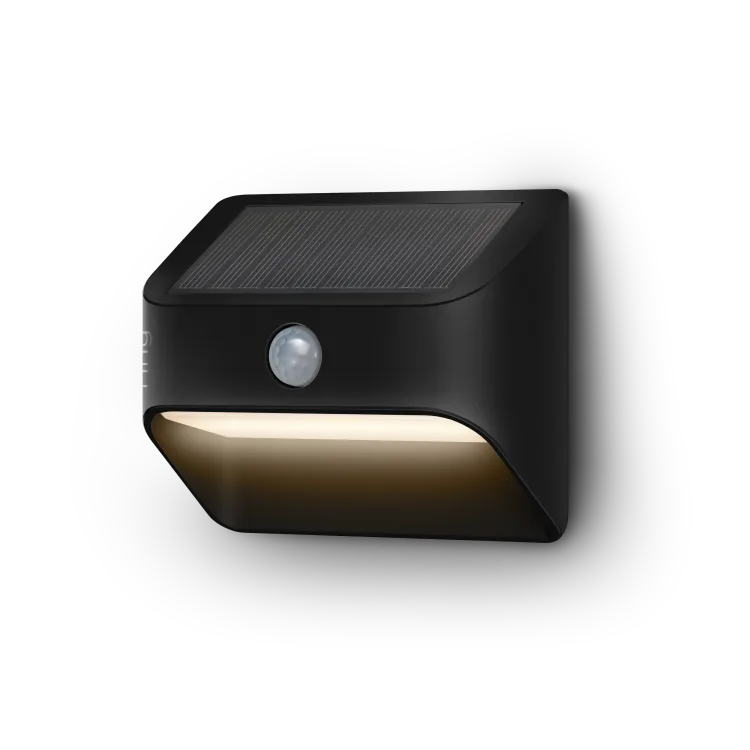
Ring Solar Steplight is the step-edge alternative in this path ranking. The Ring support record lists wall, stair, deck, and step-edge placement, up to 50 lm with adjustable output, and motion detection up to 15 ft. It charges by solar power with micro-USB backup and uses an 18650 rechargeable lithium-ion battery.
Ring lists IP66 and an operating range of -4 F to 122 F (-20 C to 50 C). Runtime is not disclosed. The product is not a path stake, so use it at stairs or a raised deck edge.
Check the Ring Solar Steplight
Pros: Step-specific placement, adjustable output, motion detection, and a stated temperature range. Cons: Wall or step format, low output, and no runtime claim.
7. Philips Outdoor Solar Wall Lights 10W
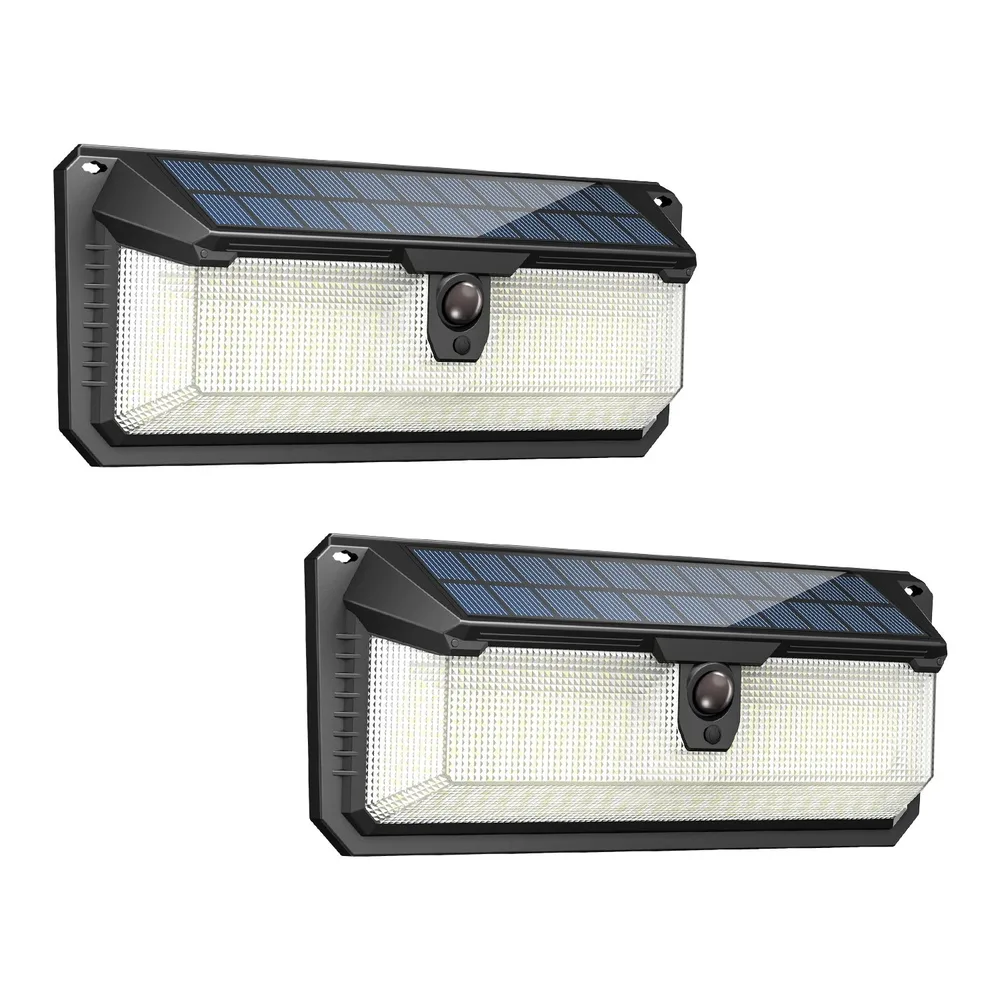
The Philips Outdoor Solar Wall Lights 10W is the adjacent wall option. The product record identifies it as an outdoor wall and garden fixture, not a path stake, and lists IP65. Signify’s product wording says IP65 protects against water splashed from any direction.
The wall format can help when a path runs beside a house, shed, or garden wall. The reviewed page does not disclose lumens, runtime, battery, or panel details, so it ranks last for a path-light query.
Check the Philips outdoor wall lights
Pros: Adjacent wall option and clear IP65 wording. Cons: Not a path stake, with no disclosed output or runtime.
How to place solar lights along a garden path
Mark the route before you order. A path light repeats along the walkway, while a step light belongs at a change in height and a wall light belongs on the nearby structure. Measure stake positions and leave room for roots and edging. The garden hose guide for small spaces covers another narrow layout, but the same measurement step avoids a crowded installation.
Panel position controls the available charge. Sunco specifies 6 to 8 hours of direct sun, and BLACK+DECKER states its runtime after 14 hours of full sunlight. Feit gives a dusk-to-dawn claim, while Nanoleaf gives an estimated 4 to 8 hours. These are model-specific conditions, not a promise for every path.
For a longer route, see the large-garden hose guide for another distance-planning example.
Compare lumens within the path format. Feit lists 40 lm per light, Sunco 3 to 4 lm, Linkind SP3 200 lm, and Nanoleaf 50 lm per light. BLACK+DECKER and Philips do not disclose lumens. A lumen figure cannot tell you the spacing or beam spread on your walkway.
Weather details need the same discipline. Sunco and Nanoleaf have IP65, Ring has IP66, and Feit and BLACK+DECKER use other weather statements. IP54, IP65, and IP66 are documented ingress ratings, not waterproof promises. Check temperature limits where the manufacturer provides them.
Frequently asked questions
Which solar light is best for a garden path?
Feit OneSync ranks first because it has a purpose-built pathway shape, 40 lm per light, up to 8 hours from dusk to dawn, and a removable battery. Sunco and BLACK+DECKER are simpler path-set alternatives.
How many lumens should a path light have?
The locked records do not give one universal target. They range from Sunco’s 3 to 4 lm to Linkind SP3’s 200 lm, and the products use different formats. Compare the documented figure with the fixture shape and the job you need it to do.
Can I use a wall light beside a garden path?
Yes, as an adjacent format. Philips is a wall fixture, and Ring is made for steps and edges. They are not path stakes, so compare their mounting position and coverage separately.
Do solar path lights work in winter?
The records do not support one seasonal runtime promise. Sunco gives charging and discharge ranges, Ring gives an operating range, and Nanoleaf gives an outdoor range. Follow the current model instructions and expect available daylight and temperature to affect planning.
Recommendation
Choose Feit OneSync for the most direct path-light match and a removable battery. Choose Sunco for low-output ambient markers, BLACK+DECKER for a simple eight-light set, or Nanoleaf when USB-C backup charging and path-plus-accent placement matter. Put Ring at steps and treat Philips as a wall alternative, not a path-stake replacement.
Sources and methodology
She Gardens used the locked solar-light shortlist and source registry researched on 29 August 2026. Product facts came from Feit OneSync, Sunco, BLACK+DECKER, Linkind SP3, Nanoleaf, Ring, and Philips. Path-format context came from HGTV’s solar pathway guide. She Gardens did not test these lights, runtime, or weather resistance.