
Buying guide
Best Garden Hoses for Small Spaces: 7 Compact Picks
Water Right's 300 Series takes the least storage space on a patio or balcony. Giraffe Tools is the better fit when a small space still needs a familiar 5/8-inch bore.
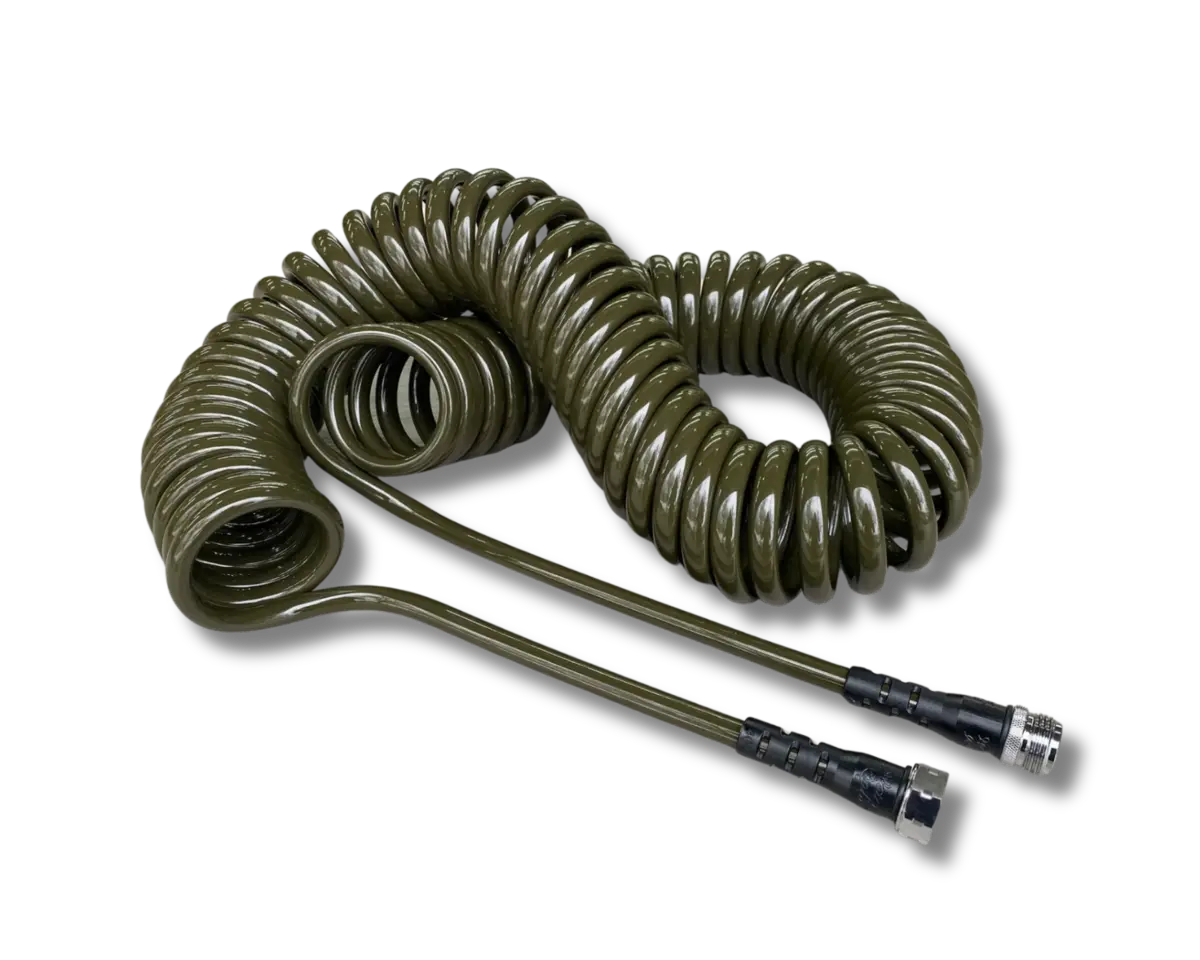
Small spaces reward a hose that is short, easy to coil, and simple to put away. Water Right 300 comes first because its 3/8-inch coil format takes little room. The smaller bore gives up flow. Choose Giraffe Tools New Hybrid when you need ordinary 5/8-inch garden-hose flow on a short run.
She Gardens checked manufacturer documentation and independent tests for this guide. She Gardens did not conduct hands-on testing. The ranking follows the locked small-space shortlist and gives storage and setup more weight than long-distance flow.
Quick comparison
| Product | Best use | Why it fits a small space | Main drawback |
|---|---|---|---|
| Water Right Small Space Coil Hose 3/8-inch (300 Series), 25-foot | Smallest storage | Coil format with 15- to 75-foot choices | Lower flow |
| Giraffe Tools New Hybrid Garden Hose 5/8-inch x 50-foot | Standard-size hose | 2- to 100-foot choices | No numeric pressure rating |
| Flexzilla Garden Hose, 5/8-inch x 50-foot (HFZG550YW) | Short lengths | Starts at 5 feet | Can twist |
| Water Right Everyday Garden Hose 7/16-inch (400 Series), 50-foot | Light daily watering | 6- to 100-foot choices and slim bore | Less flow |
| Water Right Travel Hose 1/2-inch (550 Series), 50-foot | Portable storage | Travel-focused 1/2-inch format | Limited flow |
| Teknor Apex zero-G Garden Hose 5/8-inch x 50-foot (4001-50) | Light 5/8-inch hose | Up to 50% lighter than standard hoses | Lies flat empty |
| Aqua Joe Hybrid Polymer FLEX Garden Hose 5/8-inch x 50-foot (AJPGH50-DWS) | Compact standard hose | 50-foot hybrid hose with a bend restrictor | One listed length |
Smallest storage: Water Right 300 Series
The 300 Series fits a balcony, patio, or compact side yard. Water Right describes it as a 3/8-inch polyurethane coil hose and offers 15-, 25-, 50-, and 75-foot choices. The 25-foot version in this guide has lead-free chrome-plated brass fittings, 6-inch and 12-inch tails, and strain reliefs. The manufacturer listing says the hose is drinking-water safe, lead-free, phthalate-free, and BPA-free.
The coil shape matters when the storage spot is tight. It suits a nearby tap and light watering route. The 3/8-inch bore gives up flow compared with the 5/8-inch options, so this is a storage-first choice rather than a general-purpose workhorse.
Pros: Compact coil design; 15- to 75-foot choices; potable-water materials claim; 5-year warranty.
Cons: Flow is lower, the coil may snag around patio furniture or plants, and no numeric pressure rating is stated.
Check the current Water Right 300 Series listing
Best conventional format: Giraffe Tools New Hybrid
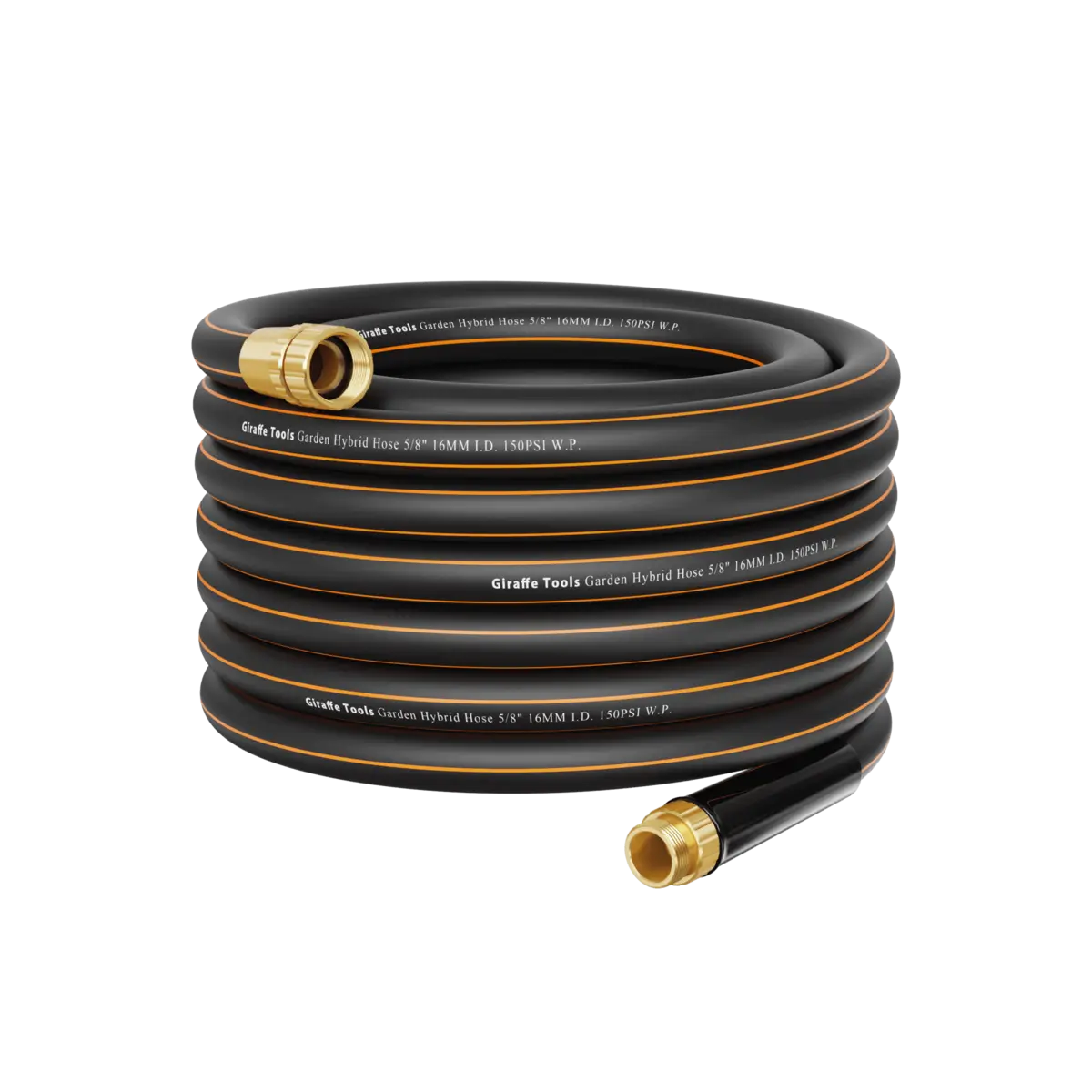
Giraffe Tools is the better small-space choice when you want a conventional 5/8-inch bore in a short length. The manufacturer lists choices from 2 to 100 feet, including 6-, 10-, 25-, and 50-foot versions. The three-layer hybrid hose has polyester mesh reinforcement, abrasion-resistant construction, and a movable swivel handle at the standard 3/4-inch GHT connector. The manufacturer page states an outdoor temperature range of 40°F to 150°F.
Pros: Very short length choices; 5/8-inch bore; swivel handle; easy coiling.
Cons: It is not drinking-water safe, has no numeric pressure rating, and takes more room than a coil hose.
Check the current Giraffe Tools listing
Best for short lengths: Flexzilla HFZG550YW
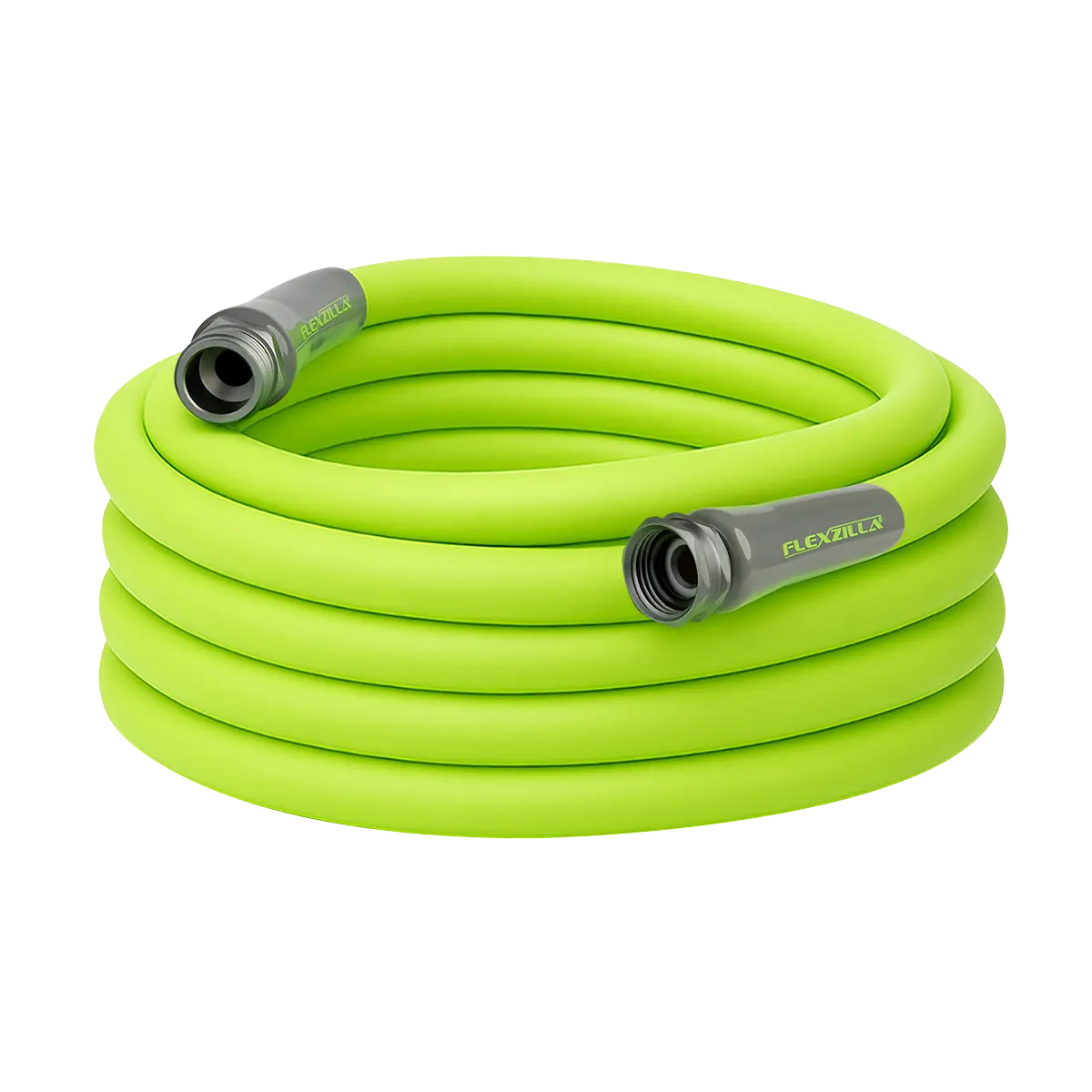
Flexzilla belongs here because the line starts at 5 feet and continues through 100 feet. You can buy close to the reach you need. The hose uses flexible hybrid polymer, a 5/8-inch inner diameter, an abrasion-resistant outer cover, and crush-resistant anodized aircraft-aluminum SwivelGrip fittings with standard 3/4-inch GHT connections. Flexzilla states all-weather flexibility from -40°F to 140°F in its manufacturer documentation.
Pros: 5-foot starting option; 5/8-inch flow path; swivel fittings; many lengths.
Cons: Independent testing found more twisting, and the storage loop is larger than a dedicated coil hose.
Check the current Flexzilla listing
Best for light everyday use: Water Right 400 Series
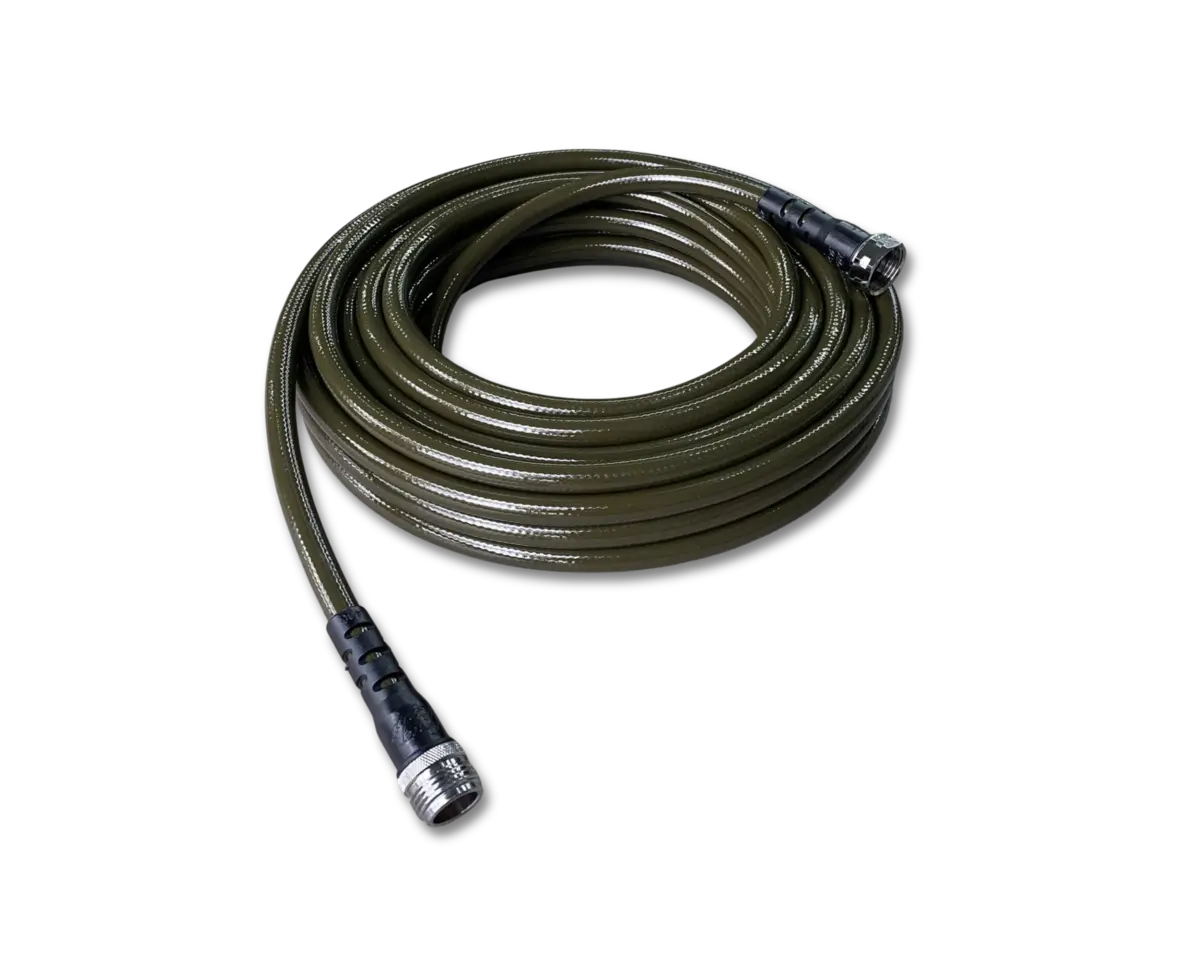
The 400 Series suits a small yard that needs more reach than a coil and less bulk than a standard 5/8-inch hose. It uses a 7/16-inch polyurethane bore and comes in 6-, 10-, 25-, 50-, 75-, and 100-foot choices. Water Right lists approximately 3 lb per 50 feet, lead-free chrome-plated brass fittings, strain reliefs, and flexible-in-all-climates construction. Those details are from the manufacturer listing.
Pros: 6-foot starting option; approximately 3 lb per 50 feet; compact polyurethane; 5-year warranty.
Cons: It has less flow than 5/8 inch, and the record gives no numeric pressure rating.
Check the current Water Right 400 Series listing
Best for portable storage: Water Right 550 Series
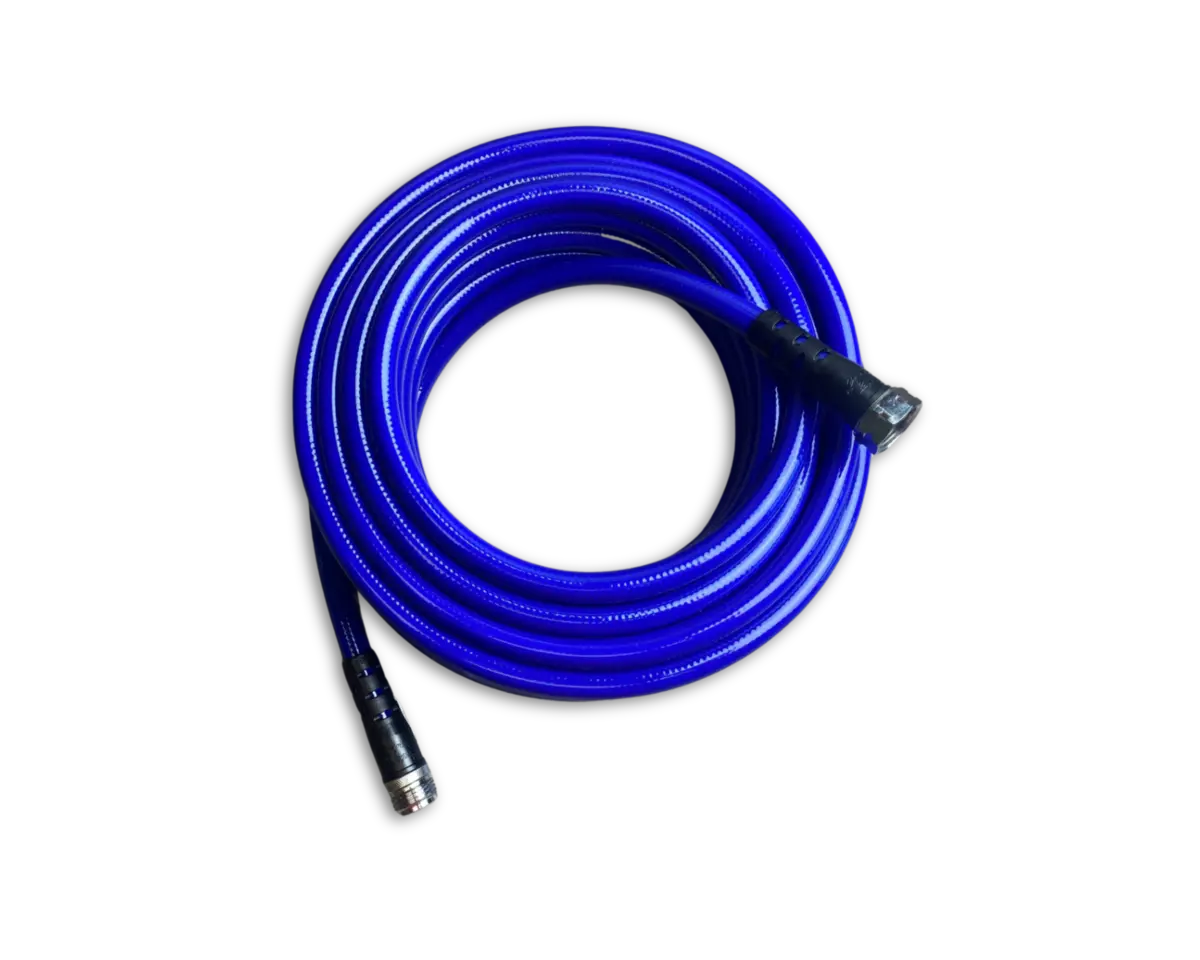
The 550 Series fits a hose that moves between a small garden, an RV, or another temporary water point. Water Right lists 6-, 10-, 25-, 50-, and 100-foot versions in a 1/2-inch polyurethane format. The line has lead-free chrome-plated brass fittings and strain reliefs. Its manufacturer documentation says it is drinking-water safe, lead-free, phthalate-free, and BPA-free, with flexibility in all climates and use up to 150°F at 50 psi.
Pros: Portable format; 6-foot starting option; potable-water materials claim; 5-year warranty.
Cons: The bore is 1/2 inch, no numeric pressure rating is stated, and longer versions are less compact.
Check the current Water Right 550 Series listing
Best lightweight 5/8-inch option: Teknor Apex zero-G
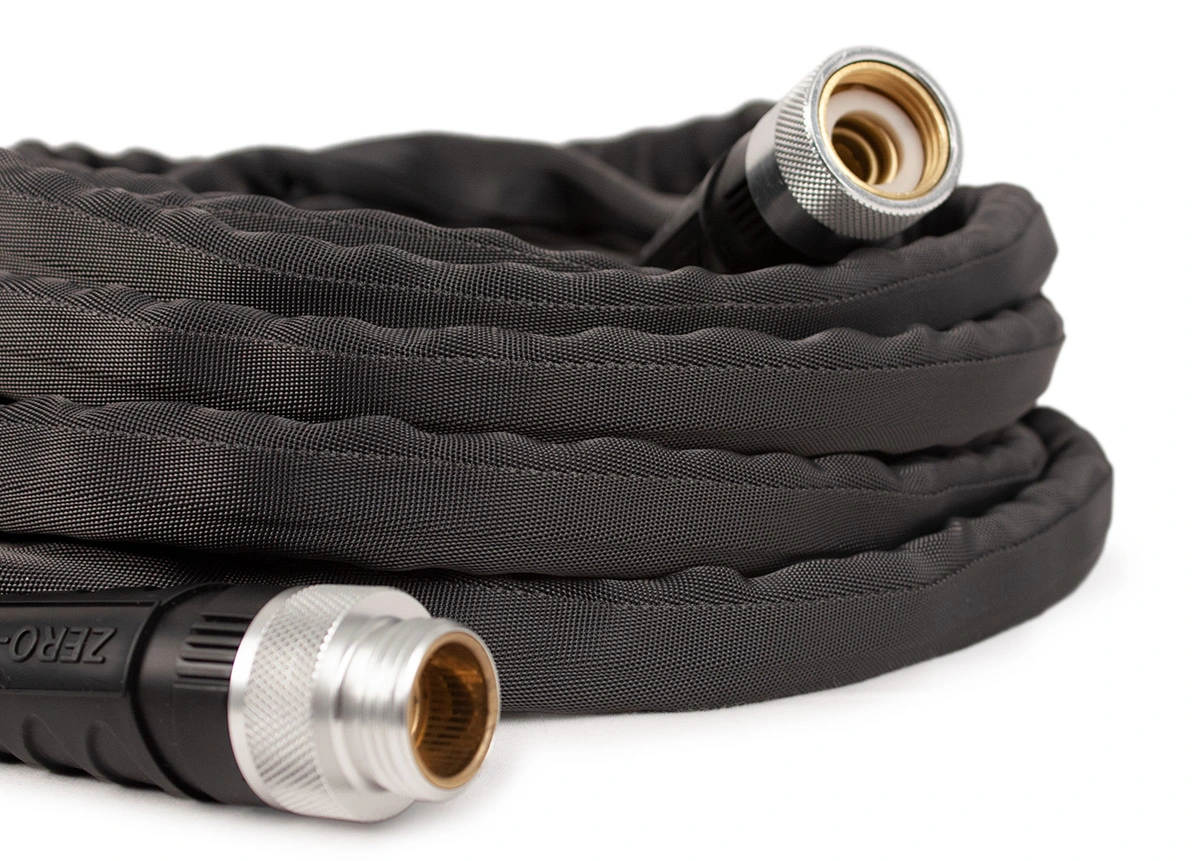
zero-G gives a small-space buyer a 5/8-inch bore without the stated weight of a conventional hose. Teknor Apex says it is up to 50% lighter than standard garden hoses, with 25-, 50-, and 100-foot choices. It has an abrasion- and puncture-resistant outer cover, commercial-grade crush-resistant couplings, ergonomic grips, and a 600+ psi burst rating. See the manufacturer’s zero-G details.
zero-G works when a small space still needs a full-size bore. Its stated weight helps with carrying, but the flat empty shape changes storage. A shelf or hook for a round coil may not suit this hose, so check the storage spot before choosing it over a dedicated coil.
Pros: Lightweight 5/8-inch format; high burst claim; ergonomic grips; 25-foot option.
Cons: It lies flat when empty, has no drinking-water claim, and has a 90-day store replacement for manufacturing defects.
Check the current zero-G listing
Best compact standard hose: Aqua Joe FLEX
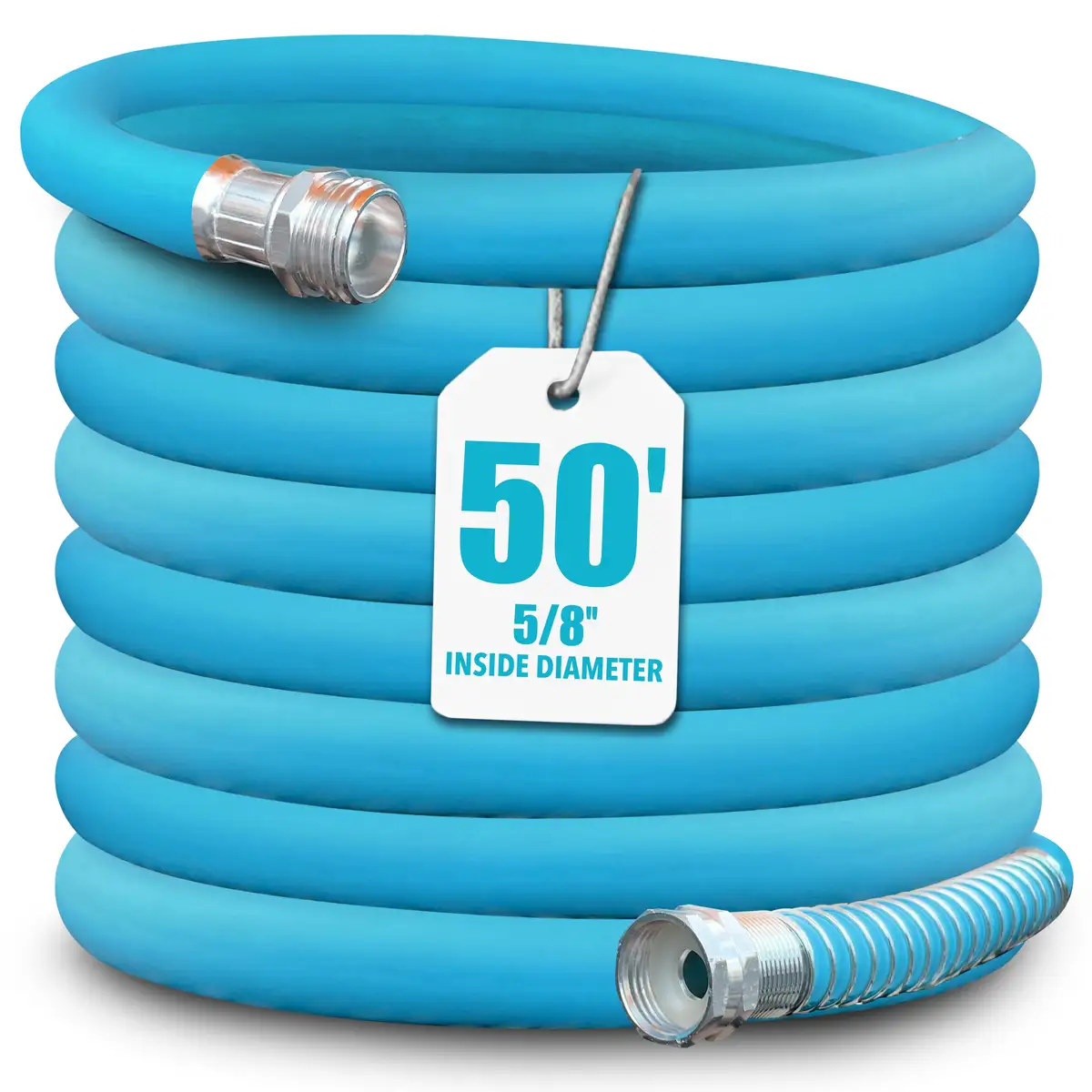
Aqua Joe is the fallback for a standard 5/8-inch hose with a manageable 50-foot length and extra support at the connection. The hybrid polymer hose has a spring bend restrictor, solid aluminum male and female connectors, and a 450 psi burst pressure. The manufacturer listing calls it drinking-water safe, BPA-free, lead-free, and phthalate-free.
Pros: 5/8-inch bore; bend restrictor; 450 psi burst claim; potable-water claim; 2-year warranty.
Cons: Only one length is listed, and 50 feet may be excessive for a very small space.
Check the current Aqua Joe listing
What to look for in a small space
Measure the storage spot before choosing a hose. A 25-foot coil may fit better than a 50-foot straight hose, even if the longer hose reaches farther. Leave room for the fittings and a loose coil. Tight bends at the tap shorten any hose’s useful life.
Measure the route separately. Note where the hose crosses a doorway, railing, furniture edge, or planting bed because those points affect usable length. The smallest storage footprint helps only if the hose reaches the plants without being stretched tight.
Choose the bore for the task. A 3/8-inch or 7/16-inch hose works for pots and nearby beds. A 5/8-inch option makes more sense for a sprinkler or short car-washing route, but it needs more room. For a long run, the large-garden hose guide uses a reach-first ranking.
Do not choose a narrow bore only because the space is small. Match the bore to the water demand, then choose the shortest available length. A compact 5/8-inch option may be easier to manage than a longer narrow hose when the task needs more flow. A coil remains the better answer for nearby hand watering.
Coils save space, but they are not automatically easier to use. Furniture, railings, and shrubs can catch them. If the hose will live on a reel, compare the hose-reel guide. Check the connector shape and whether a bend restrictor or strain relief will keep the tap connection from folding.
Connection details matter in a cramped route because there is less room for a safe bend. A strain relief or bend restrictor can protect the tap end, but you still need working slack. Check the connector before buying and make sure the hose can sit on its hook or shelf without pressing the fitting against a hard edge.
Frequently asked questions
Which garden hose takes the least space?
For a short patio or balcony route, a 15- or 25-foot 3/8-inch coil takes the least space in this pool. Choose the shortest length that reaches the plants without a tight connection.
The answer changes when the route includes several planters or a cleaning task. Measure the full path and consider a short straight hose instead of assuming a coil will reach. You want enough reach without excess slack, not the smallest diameter by itself.
Can a narrow hose water plants well?
A narrow hose can work well for pots and beds near the tap. It becomes a poor fit on a long run or with a high-demand sprinkler or tool because the smaller bore has less flow potential.
Use the task to decide. Hand watering nearby pots is a modest demand. A sprinkler or wash attachment may need the extra flow potential of a 5/8-inch hose. A narrow model works when the route is short and the job is small.
Do coil hoses store more easily?
Usually, yes, but storage is only half the decision. A coil can snag on furniture or plants, and it may not stretch as predictably as a straight hose. Consider the route as well as the shelf or hook where it will live.
Coils store best when the route is open and the storage point is close to the tap. If the coil must pass around railings or furniture, a short straight hose may be easier to place even if it takes more shelf space. Keep the coil loose rather than forcing it into a tight container.
Does a balcony need a 50-foot hose?
Buy 50 feet only if you need that reach or want to move the hose between several points. For one nearby tap, a shorter version reduces slack, tangles, and storage work.
Measure before choosing the familiar 50-foot size. It may suit several watering points, but it also creates more line to coil and more chances for a kink. A 5- or 10-foot option may be cleaner when the tap sits beside the planter.
For longer runs where reach beats storage, compare the large-garden hose guide. If the hose must wind onto a drum, see the hose-reel guide.
Recommendation
Choose Water Right 300 for the smallest storage footprint and nearby watering. Choose Giraffe Tools when you need a short conventional 5/8-inch hose and do not need drinking-water use. Flexzilla gives you the broadest length choice. Water Right 400 is lighter for daily use when a coil does not suit the route.
Sources and methodology
She Gardens used the locked She Gardens product shortlist and source registry researched on 29 August 2026. Manufacturer pages supplied the product information for Water Right, Giraffe Tools, Flexzilla, Teknor Apex, and Aqua Joe. Independent context came from TechGearLab, Popular Mechanics, and Project Farm. She Gardens did not conduct hands-on testing. The ranking remains based on the locked record, not an in-person storage trial.