
Buying guide
Best pest control sprays for the home: 7 label-aware picks
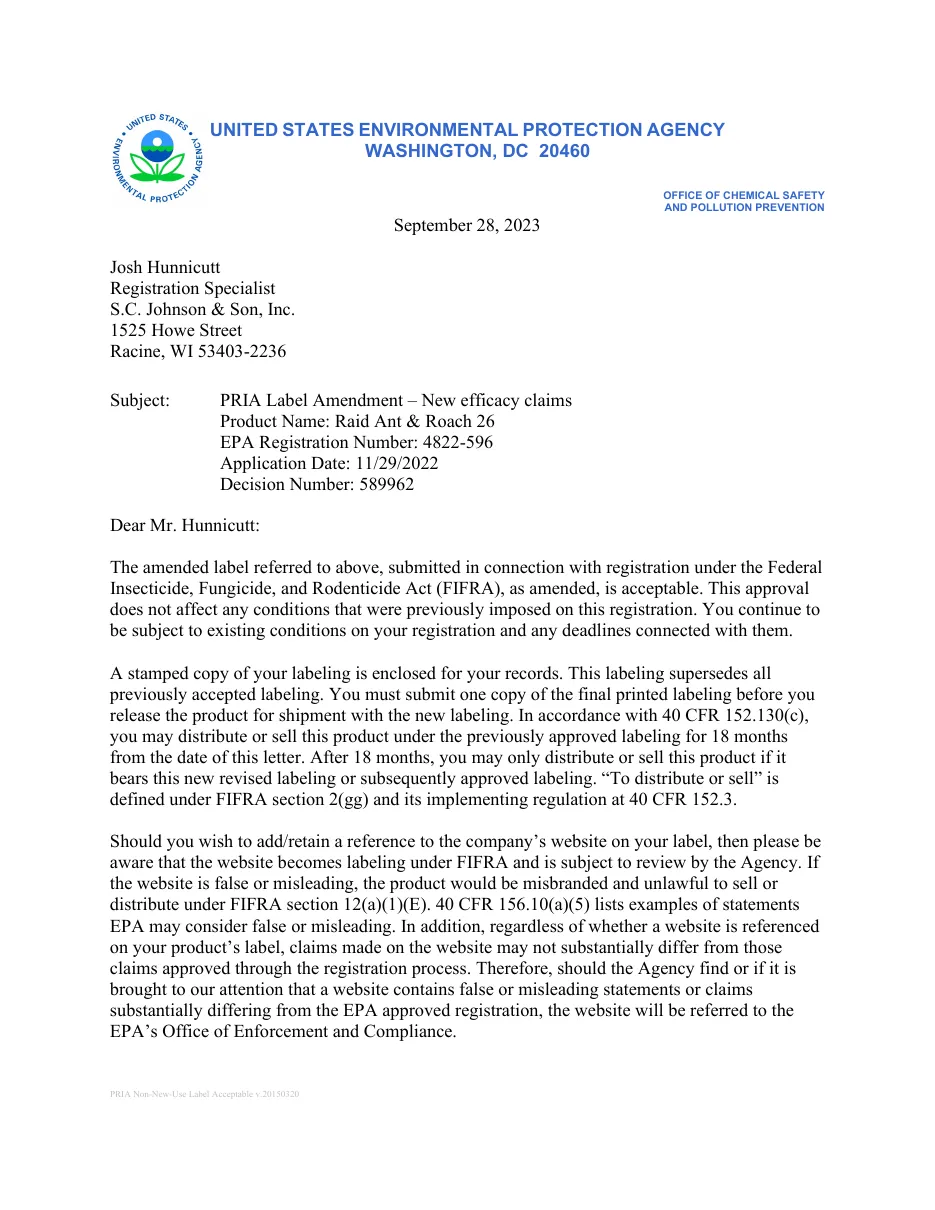
Raid Ant & Roach Killer 26 is the clearest indoor spray starting point in this locked pool. Ortho Home Defense is the better fit when the label-approved job is an indoor or outdoor residential perimeter.
Quick answer
Raid Ant & Roach Killer 26 ranks first here for a home that needs an aerosol for label-listed ants and cockroaches, plus other insects. Its locked record lists imiprothrin at 0.060% and cypermethrin at 0.100%, with residential indoor uses plus labeled outdoor spot and crack-and-crevice uses. The drawback is the format itself. Overspray and food-contact surfaces deserve your attention. Follow the ventilation and re-entry directions.
Ortho Home Defense Insect Killer for Indoor & Perimeter is the better match when you want a water-based ready-to-use spray for indoor and outdoor residential perimeter sites. It uses bifenthrin at 0.05%. Bonide Eight, Bonide Insecticidal Soap, and Monterey Garden Insect Spray RTU belong in different site or pest conversations, so a large product list does not make them interchangeable.
She Gardens did not spray these products or test pest control, coverage, residue, drying time, or re-entry. Product facts below come from the locked manufacturer and regulator records dated 29 August 2026. Use each pesticide only according to the current product label. EPA registration, allowed targets, approved sites, package formulas, and state registration can vary by jurisdiction. The current label controls.
| Rank | Product | Best fit | Main drawback |
|---|---|---|---|
| 1 | Raid Ant & Roach Killer 26 | Indoor ant and roach spray | Aerosol and surface restrictions |
| 2 | Hot Shot Ant, Roach & Spider Killer Aerosol Lemon | Ant, roach, and spider label coverage | Drying and spray-exposure directions |
| 3 | TERRO Ant Killer Spray T401-6 | Ant-focused spot and crack use | State label copy matters |
| 4 | Ortho Home Defense Insect Killer for Indoor & Perimeter | Indoor and outdoor residential perimeter | Runoff and drying constraints |
| 5 | Bonide Eight Garden & Home Ready-to-Use | Outdoor lawn or garden sites | Not an indoor home spray |
| 6 | Bonide Insecticidal Soap Ready-to-Use | Label-listed soft-bodied pests | Narrower target list |
| 7 | Monterey Garden Insect Spray Ready-to-Use | Outdoor garden and greenhouse sites | Garden-specific directions |
The seven sprays
1. Raid Ant & Roach Killer 26
Raid is the most direct fit for the phrase “spray for home” because the locked record covers residential indoor sites and labeled outdoor spot and crack-and-crevice uses. SC Johnson identifies the product as an aerosol. The reviewed EPA label lists imiprothrin at 0.060% and cypermethrin at 0.100%. The target list includes ants and cockroaches, plus other insects named on the current label.
The tradeoff is control over where the spray lands. Keep it away from food and food-contact surfaces, and follow the label for people, pets, ventilation, and treated-area re-entry. Read the manufacturer product page and EPA label 4822-596 before use.
Pros: Indoor residential scope; aerosol format; imiprothrin and cypermethrin are identified in the locked record.
Cons: Overspray is easy to create; food-surface and drying directions limit casual use; the current label remains the authority.
Check Raid Ant & Roach Killer 26
2. Hot Shot Ant, Roach & Spider Killer Aerosol Lemon
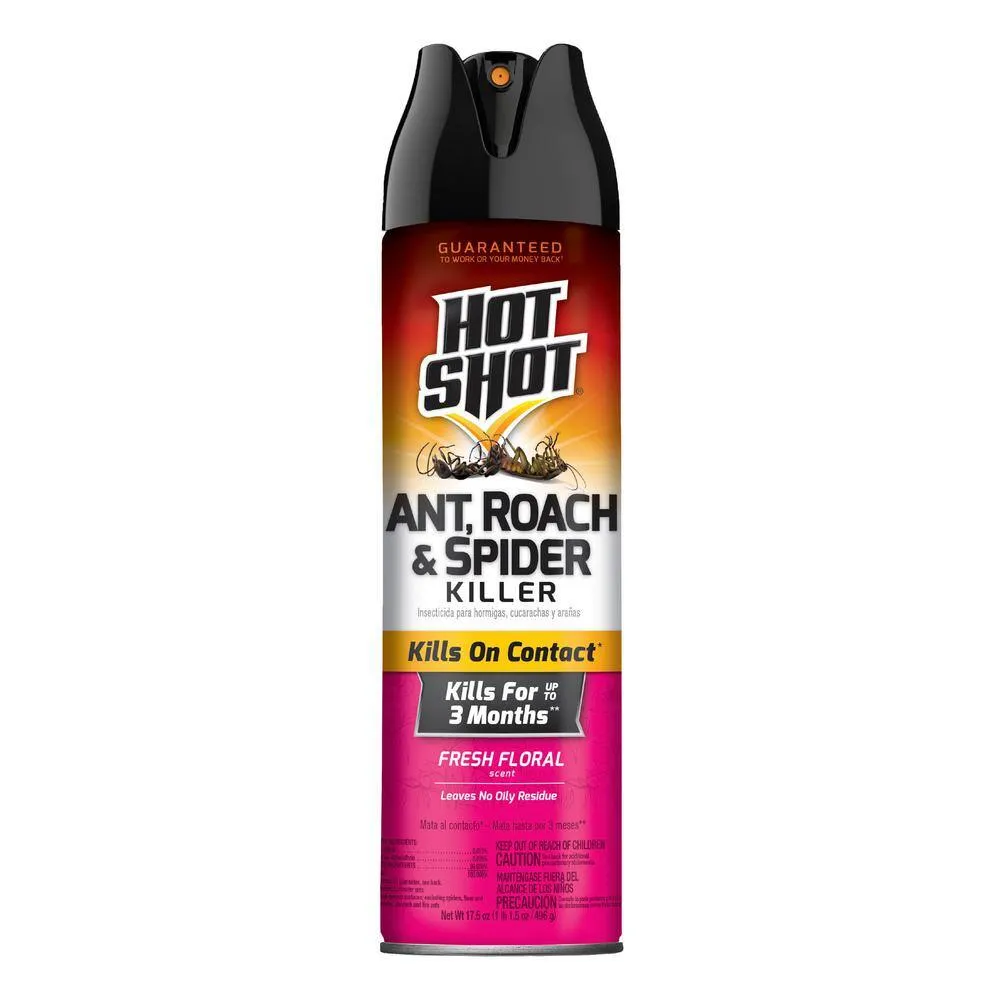
Hot Shot Ant, Roach & Spider Killer Aerosol Lemon ranks second because its reviewed record names ants, cockroaches, spiders, plus other label-listed insects. Henkel’s product page identifies an aerosol format. The locked active-ingredient record lists imiprothrin at 0.075% and lambda-cyhalothrin at 0.025%. Its labeled sites include indoor residential locations plus outdoor home uses named by the current label.
That wider target wording does not make every room or surface appropriate. The record calls out treated-surface drying, food, food-contact, plant, and re-entry precautions. The Hot Shot product page and EPA registration record are the sources to check.
Pros: Ant, roach, and spider scope; ready aerosol. The active ingredients are documented.
Cons: Spray exposure and drying instructions narrow where it belongs; do not infer plant or food-surface permission.
Check Hot Shot Ant, Roach & Spider Killer Aerosol Lemon
3. TERRO Ant Killer Spray T401-6
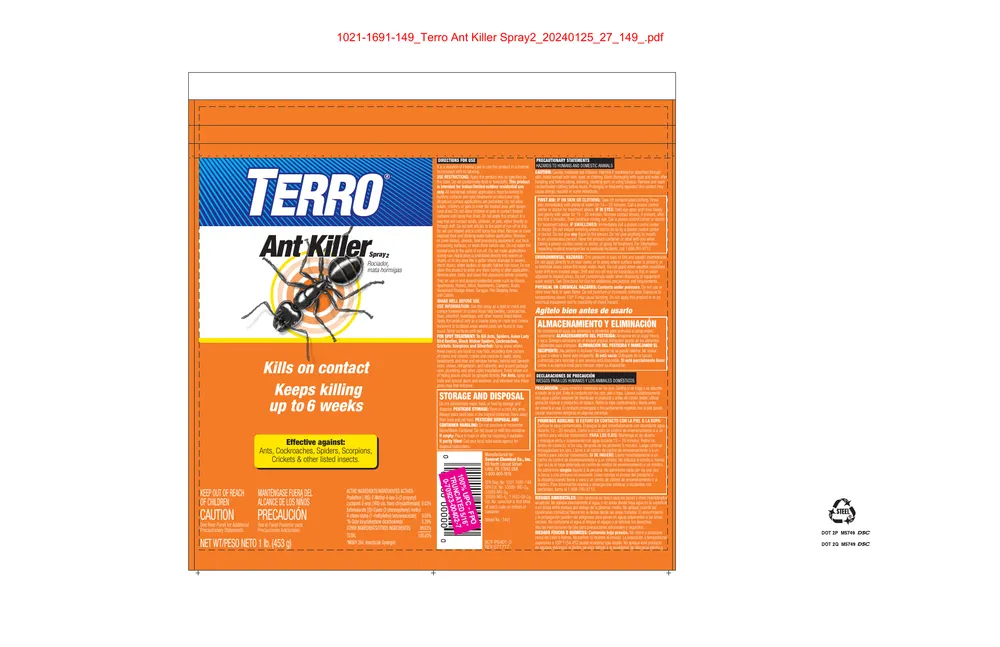
TERRO T401-6 is the ant specialist in this group. The locked source record identifies a ready-to-use spray for ants and other insects named on its label. It lists prallethrin at 0.03%, esfenvalerate at 0.05%, and N-octyl bicycloheptene dicarboximide at 0.30%. The reviewed Washington label copy includes residential indoor spot and crack-and-crevice uses plus labeled outdoor areas.
That state-label detail is the point. A Washington label copy is evidence for the reviewed record, not a blanket approval for every state. Check the TERRO product page and Washington label copy for the package and directions you have.
Pros: Ant-focused scope; ready-to-use format; active ingredients are recorded.
Cons: State registration can differ; indoor surface and people or pet directions need a label check.
Check TERRO Ant Killer Spray T401-6
4. Ortho Home Defense Insect Killer for Indoor & Perimeter
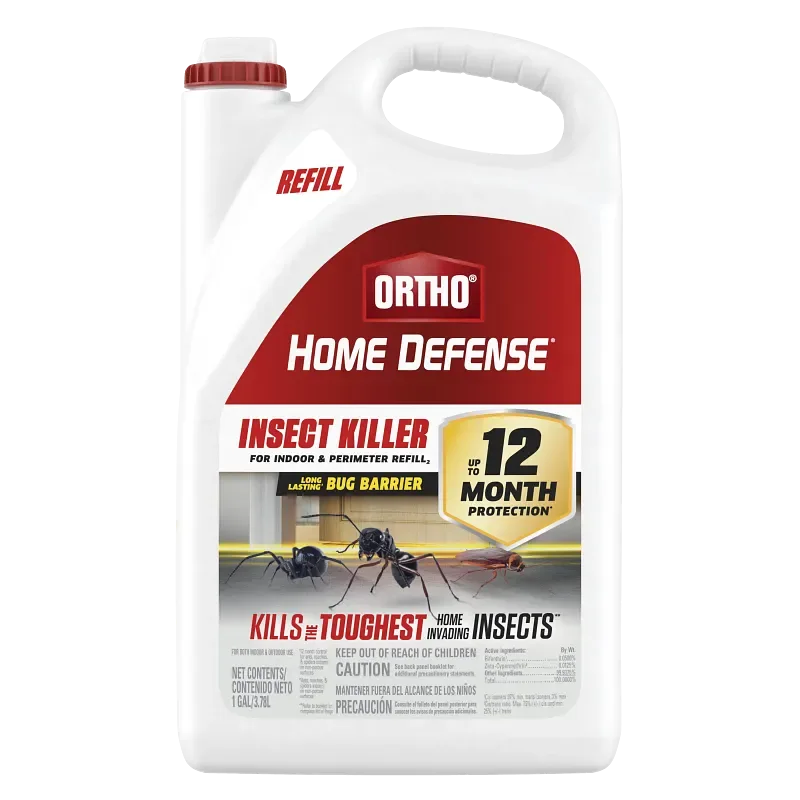
Ortho Home Defense is the better fourth-place match for a homeowner who means both indoor perimeter and outdoor residential perimeter. The Scotts Miracle-Gro record lists a water-based ready-to-use spray with bifenthrin at 0.05%. Its target category includes household insects listed on the current label, including ants and cockroaches.
The large ready-to-use format may be convenient, but it does not remove the need to manage drift or runoff. Follow the directions for water, food surfaces, drying, and re-entry. Use the manufacturer page and EPA label 239-2663 to match the product to the exact site.
Pros: Indoor and outdoor residential perimeter scope; ready-to-use spray; bifenthrin amount is documented.
Cons: A pesticide spray; runoff and treated-area directions are easy to overlook; no coverage promise is made here.
Check Ortho Home Defense Insect Killer
5. Bonide Eight Garden & Home Ready-to-Use
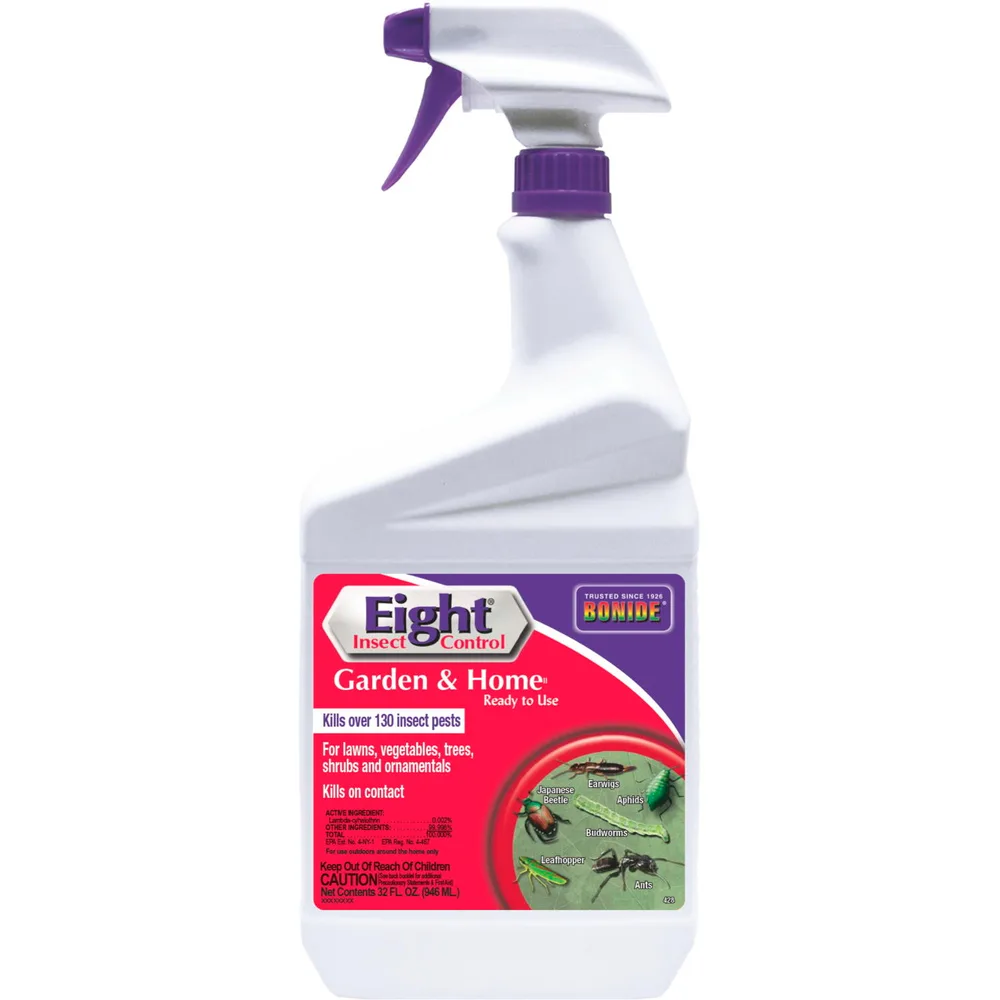
Bonide Eight stays on this list because the target keyword can describe pest control around a property, but its locked site record is clear: outdoor lawn or garden sites and listed ornamentals. It is not an indoor home spray. The record lists lambda-cyhalothrin at 0.002%.
Treat this as an outdoor pick only when the current package label matches the lawn, garden, or ornamental site and target you have. The Bonide product page, Bonide label, and EPA registration 4-467 are the locked sources.
Pros: Ready-to-use outdoor format; lawn and garden scope.
Cons: Not an indoor home spray; edible-crop, runoff, drying, and re-entry directions remain label-specific.
Check Bonide Eight Garden & Home
6. Bonide Insecticidal Soap Ready-to-Use
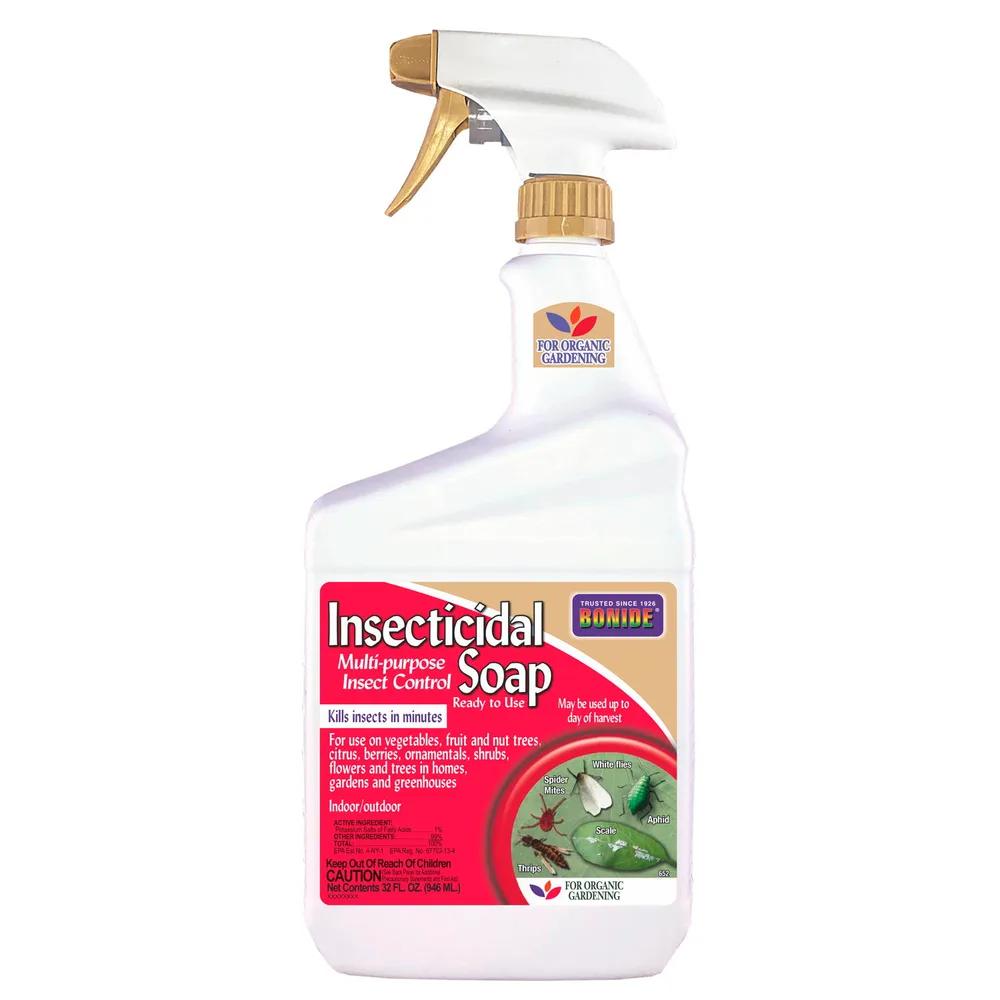
Bonide Insecticidal Soap is a narrower choice for soft-bodied insects and mites named on the label. The locked record lists potassium salts of fatty acids at 1%. Its labeled locations include indoor and outdoor homes, gardens, and greenhouses. It is ready to use, with no concentrate dilution decision in this product record.
Do not buy it for a pest that is not named on the current label. Check the Bonide product page, its Bonide label, and the EPA registration.
Pros: Ready-to-use; soft-bodied pest scope; indoor, outdoor, and greenhouse sites are recorded.
Cons: Fewer target pests than broad sprays; crop, ventilation, people, and pet directions remain label-specific.
Check Bonide Insecticidal Soap
7. Monterey Garden Insect Spray Ready-to-Use
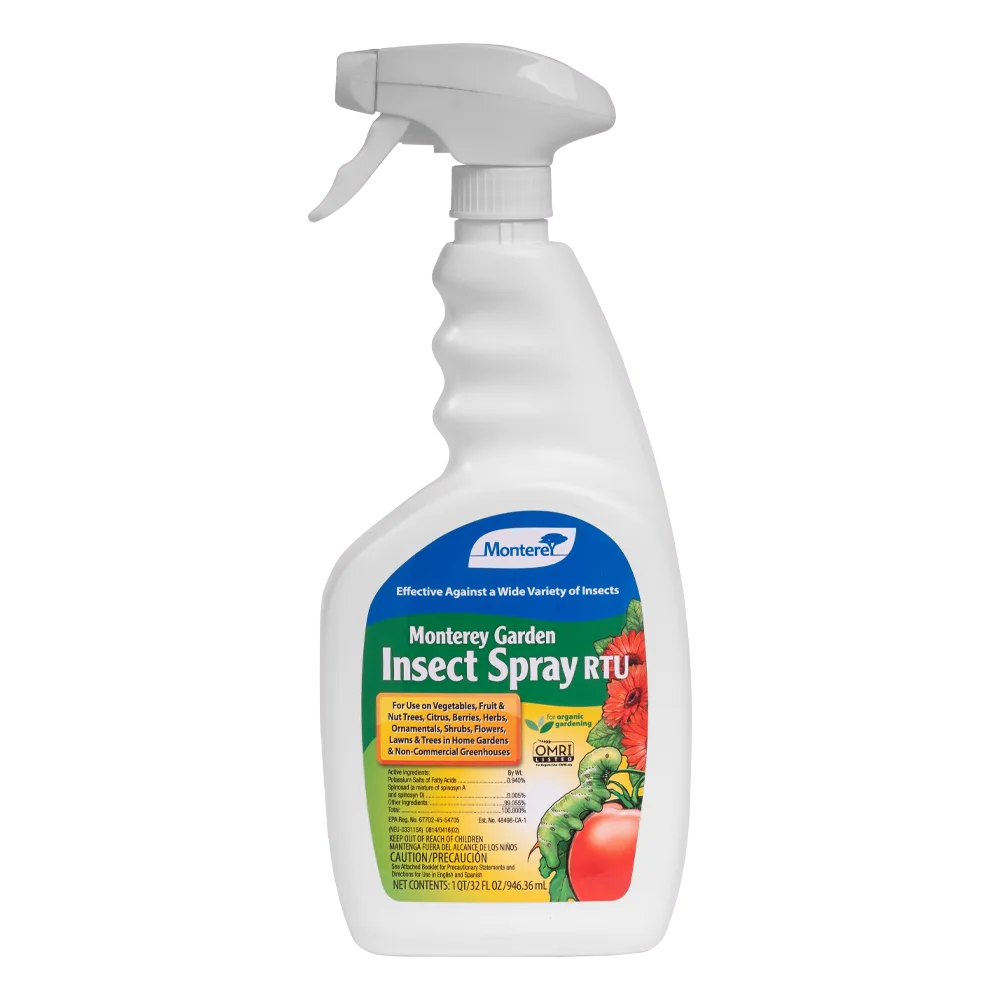
Monterey Garden Insect Spray RTU belongs at the bottom of a home-spray comparison because its center of gravity is the garden. The locked record lists potassium salts of fatty acids at 0.940% and spinosad at 0.005%. The ready-to-use product covers pests and crops named on the current label. The reviewed record lists outdoor home gardens, lawns, ornamentals, and greenhouse sites.
Use the Monterey product page and current RTU label to check the exact crop, pest, and application limits. It is a poor substitute for an indoor spray simply because it comes in a spray bottle.
Pros: Ready-to-use garden format; outdoor home and greenhouse scope; active ingredients are listed.
Cons: Garden-specific target and crop directions; not a general indoor home product; label restrictions still control.
Check Monterey Garden Insect Spray RTU
Buying criteria for a home spray
Start with the pest and the site, in that order. A spray labeled for outdoor lawn insects does not become an indoor product because the bottle is nearby. Look for your exact site and target on the current label.
Then choose the application form. Aerosols put a spray stream where you aim it, while pump or hose formats behave differently. The form changes overspray, drift, surface contact, and how you keep people and pets out of the treated area. Do not add rates, mixing, timing, or re-entry rules from memory.
Read the active ingredient and EPA registration on the package. Names can appear across several formulas, and a product page can change. EPA registration and allowed uses can vary by state. If the label does not name your pest or site, choose another label-matched option or ask a licensed local professional.
For outdoor water-fed areas around the house, compare the garden hose guide for large properties and low-pressure hose guide separately from pesticide choices.
Frequently asked questions
What is the best pest control spray for a home?
Raid Ant & Roach Killer 26 is the strongest indoor aerosol match in this locked pool. Ortho Home Defense is the better perimeter choice. The right product still depends on the pest and the current label-approved site.
Can I use a lawn spray inside my house?
Do not assume that. Bonide Eight and the lawn products in this pool have outdoor site records. Use only a product whose current label names the indoor site and pest.
Should I choose spray or bait?
That depends on the pest and access point. This guide covers sprays. Roach and ant guides may fit a bait placement question better, but every product still needs its own label check.
How long should people and pets stay away after spraying?
The answer is product- and label-specific. Follow the current product label for drying, ventilation, re-entry, and treated-area restrictions. This guide does not invent a time.
Recommendation
Choose Raid for an indoor ant or roach aerosol, Ortho for a labeled residential perimeter job, and TERRO T401 when the ant-specific spray format fits the current state label. Bonide Eight, Bonide Soap, and Monterey RTU are outdoor or narrower-site choices. The label decides whether the product belongs on your surface.
Sources and methodology
She Gardens used the locked pest-control shortlist and source registry researched on 29 August 2026. Product facts came from the linked manufacturer pages, EPA records, and state label copy above. Independent context came from Penn State Extension’s homeowner pest-management resources and its common urban pests guide. She Gardens did not test these products. Check the current label, EPA or state registration, exact package, and local rules before use.