
Buying guide
Best pest control for ants: 7 baits, sprays, and granules compared
TERRO Liquid Ant Baits T300 ranks first for a common-household-ant bait format. Amdro Ant Block belongs outdoors, while TERRO T401 is the spray choice when an ant-labeled spray site fits the current label.
Quick answer
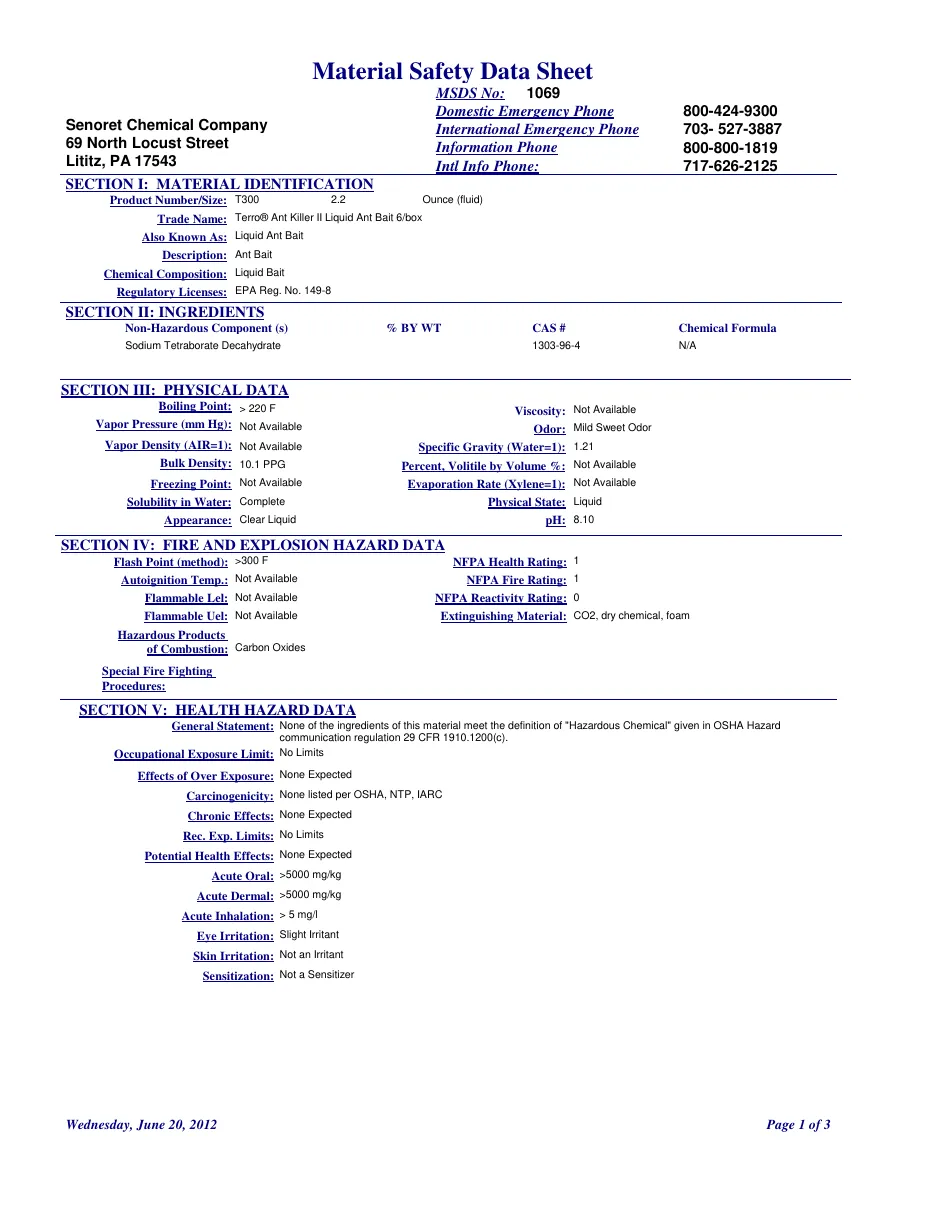
TERRO Liquid Ant Baits T300 ranks first because it is a pre-filled liquid bait station for common household ants, with sodium tetraborate decahydrate at 5.40% in the locked record. Its recorded site is indoor residential placement. That makes it the clearest first look for an indoor ant trail when the current label matches the pest and location.
TERRO Liquid Ant Killer T100 gives you liquid bait in a bottle with cardboard bait stations. Amdro Ant Block uses hydramethylnon at 0.88% in granular bait for outdoor home perimeter and ant mound sites. Those are different jobs. TERRO T401, Raid, Hot Shot, and Ortho are sprays or perimeter products with their own target and site limits.
Ant species and nest location change the buying decision. A product named for ants is not automatically right for every species, surface, plant, or room. Read the current label before placement. EPA registration and allowed sites vary by jurisdiction. Keep bait and spray away from children, pets, wildlife, and people exactly as the label directs.
She Gardens did not identify ants, place bait, spray trails, inspect plants, or test control, speed, or duration. The ranking and product facts come from the locked records dated 29 August 2026. Use the current product label as the authority.
| Rank | Product | Best fit | Main drawback |
|---|---|---|---|
| 1 | TERRO Liquid Ant Baits T300 | Indoor pre-filled bait stations | Access restrictions |
| 2 | TERRO Liquid Ant Killer T100-12 | Multiple liquid bait placements | More handling |
| 3 | Amdro Ant Block Home Perimeter Ant Bait Granules | Outdoor perimeter and mound sites | Not for indoor use |
| 4 | TERRO Ant Killer Spray T401-6 | Ant-labeled spray sites | State label differences |
| 5 | Raid Ant & Roach Killer 26 | Indoor ant aerosol | Overspray and surfaces |
| 6 | Hot Shot Ant, Roach & Spider Killer Aerosol Lemon | Ant, roach, and spider spray | Drying and exposure directions |
| 7 | Ortho Home Defense Insect Killer for Indoor & Perimeter | Residential perimeter | Runoff and re-entry limits |
The seven ant-control picks
1. TERRO Liquid Ant Baits T300
T300 is the most straightforward indoor bait choice in this locked pool. The pre-filled liquid bait station targets common household ants as stated on the current label. The active ingredient is sodium tetraborate decahydrate, also called borax in the locked record, at 5.40%. Its labeled site is indoor residential placement.
The station format cuts down on pouring and measuring, but it does not remove placement rules. Keep it away from children, pets, food, and people as the label directs. See the TERRO product page and EPA registration 149-8.
Pros: Pre-filled liquid station; indoor household-ant scope; active ingredient is documented.
Cons: Indoor placement limits still apply; station access needs attention.
Check TERRO Liquid Ant Baits T300
2. TERRO Liquid Ant Killer T100-12
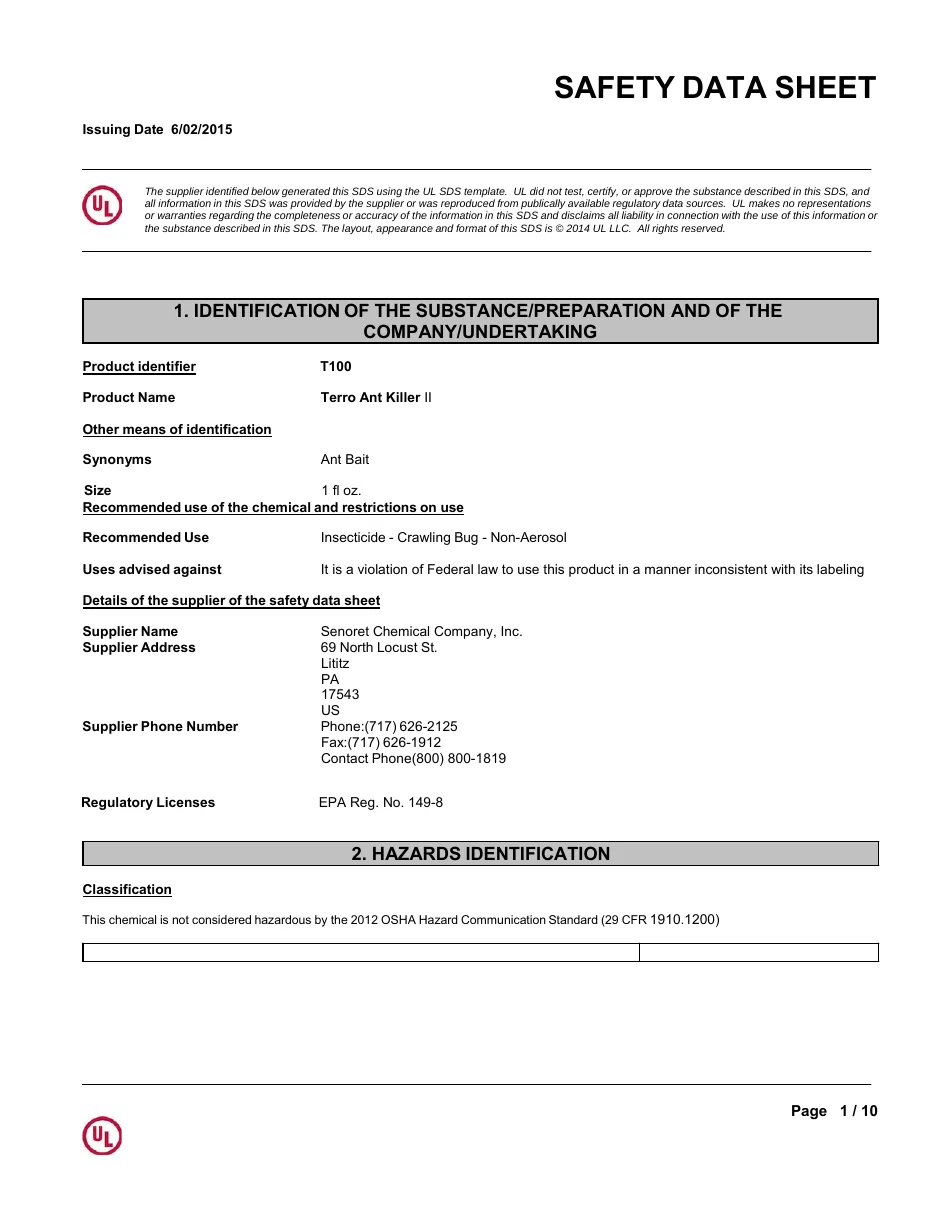
T100 uses the same recorded active ingredient, sodium tetraborate decahydrate at 5.40%, but the format is different. The bottle supplies liquid bait and cardboard bait stations for common household ants. That can suit several placements when the current label allows them.
The bottle also means more handling than T300. Follow the TERRO product page, manufacturer SDS, and EPA registration 149-8. Use the current product label for target and site directions, then read its access and disposal instructions.
Pros: Multiple liquid bait placements; common-household-ant target; active ingredient is recorded.
Cons: More handling than pre-filled stations; cardboard stations still need controlled placement.
Check TERRO Liquid Ant Killer T100-12
3. Amdro Ant Block Home Perimeter Ant Bait Granules
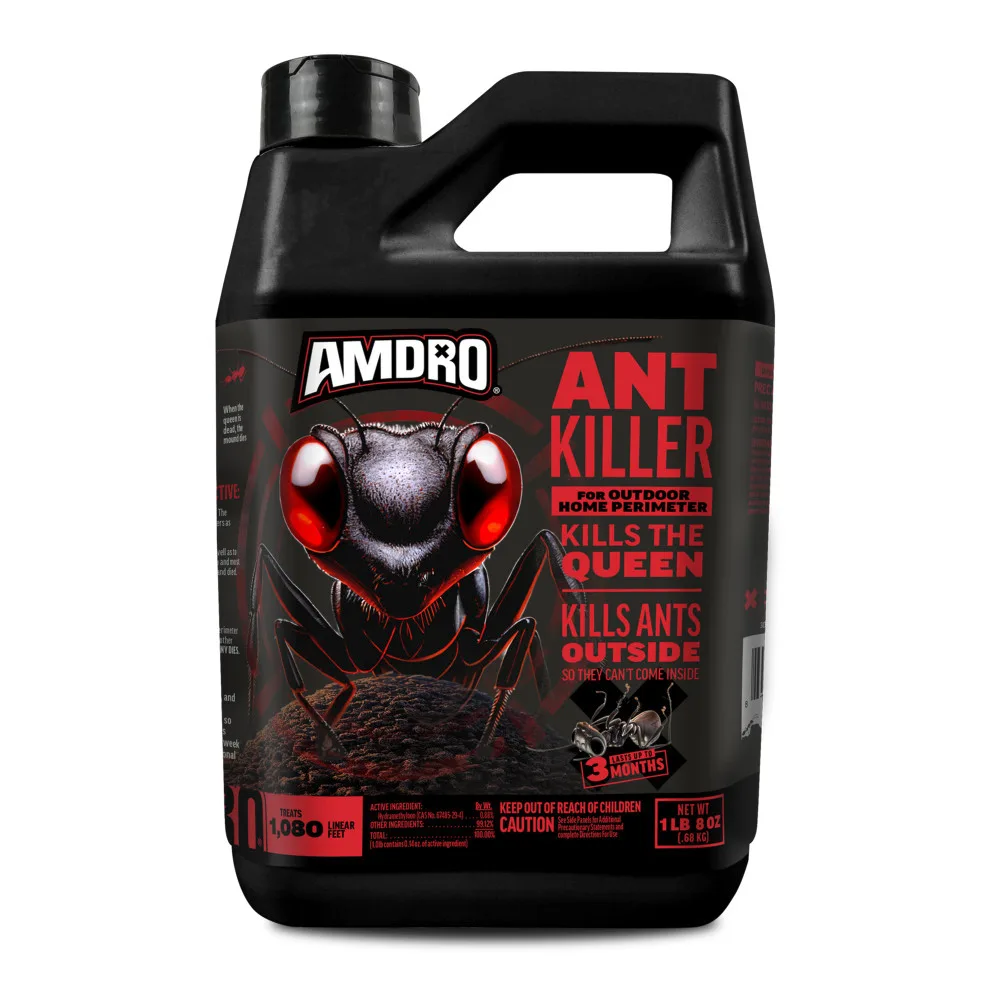
Amdro Ant Block is the outdoor choice. The locked record lists hydramethylnon at 0.88% in granular bait. Ants are the target, with outdoor home perimeter and ant mound sites on the label. It is not an indoor product.
Use the Amdro product page, manufacturer label, and EPA registration 73342-2 to check the exact package and site. Granules are not a reason to skip access, runoff, wildlife, or application directions.
Pros: Outdoor perimeter and mound scope; granular bait; active ingredient is documented.
Cons: Not for indoor use; outdoor site and access rules control placement.
4. TERRO Ant Killer Spray T401-6
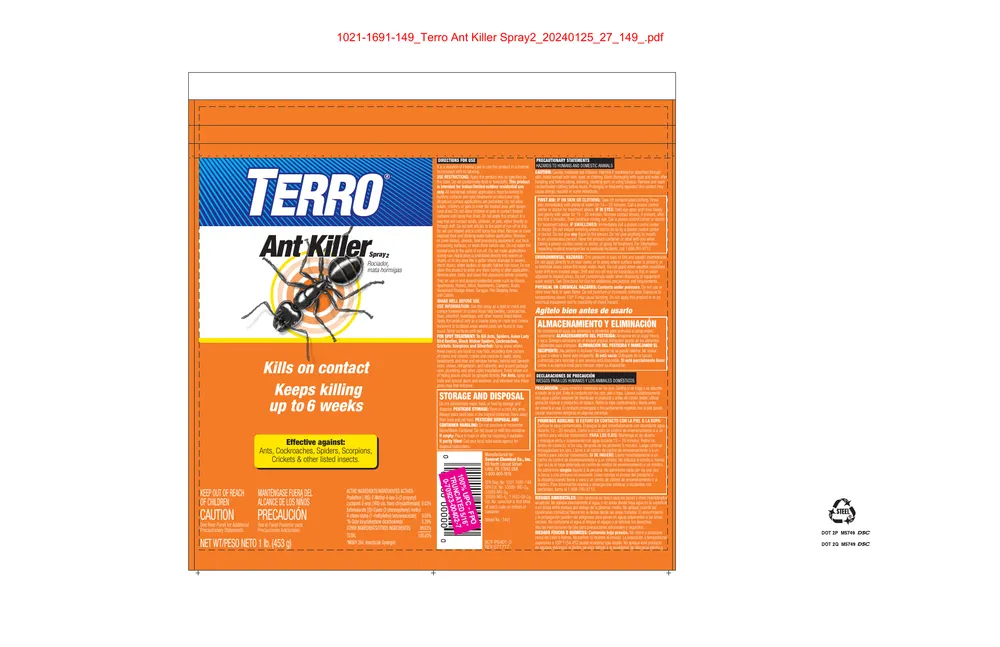
T401-6 is the ant spray in the top half of this list. The ready-to-use product record lists ants and other label-listed insects as targets. Its active ingredients are prallethrin at 0.03%, esfenvalerate at 0.05%, and N-octyl bicycloheptene dicarboximide at 0.30%. The reviewed Washington label includes residential indoor spot and crack-and-crevice uses plus labeled outdoor areas.
State matters. Use the TERRO product page and Washington label copy as the locked record, then check your current state registration and package label.
Pros: Ant-focused spray; ready-to-use format; active ingredients are listed.
Cons: Spray and surface directions vary by label; Washington evidence is not a universal state approval.
Check TERRO Ant Killer Spray T401-6
5. Raid Ant & Roach Killer 26
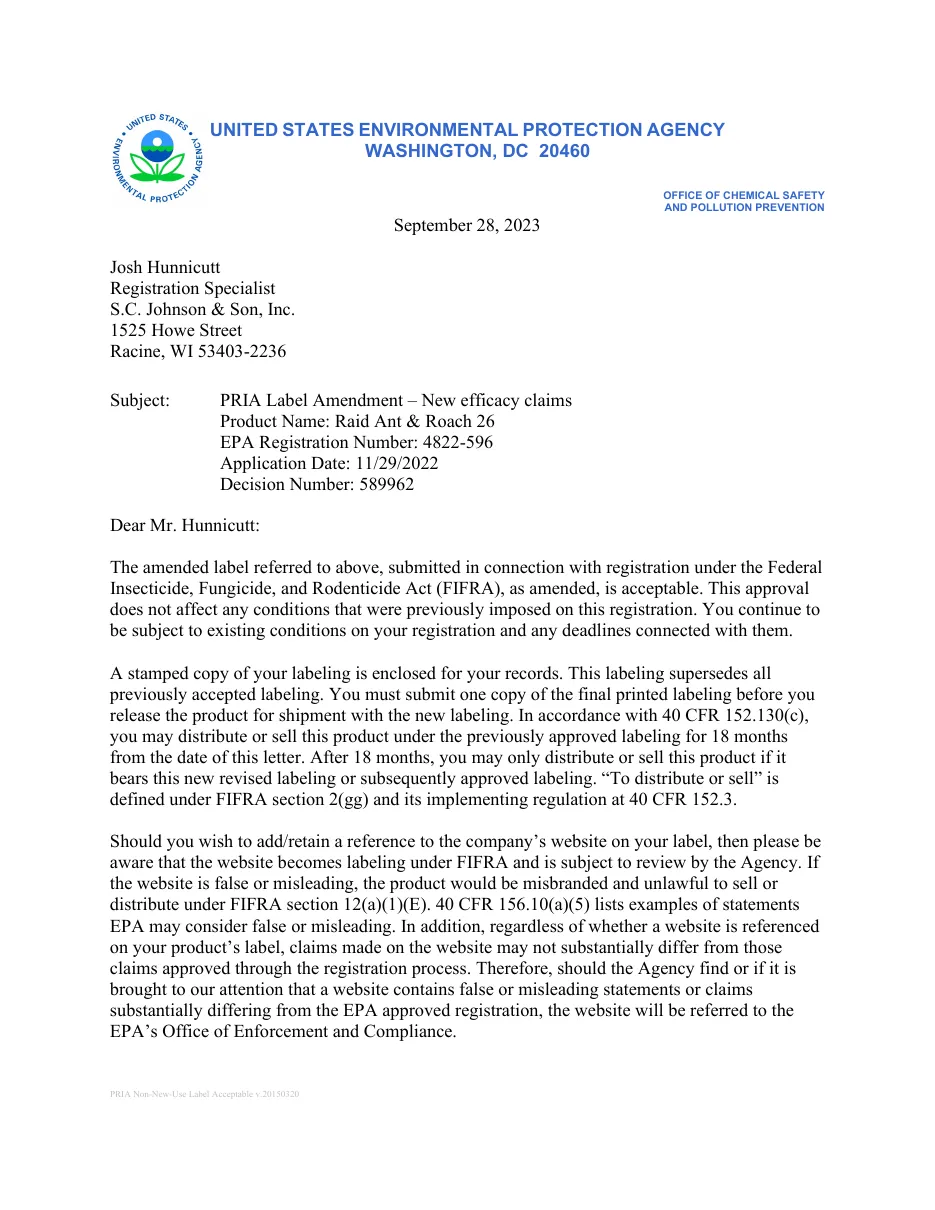
Raid is a broad indoor aerosol for ants and cockroaches, plus other insects named on the current label. Its locked active ingredients are imiprothrin at 0.060% and cypermethrin at 0.100%. The recorded sites include residential indoor areas plus labeled outdoor spot and crack-and-crevice uses.
The spray format makes food, food-contact surfaces, overspray, drying, and re-entry important. Read the Raid product page and EPA label 4822-596.
Pros: Indoor ant scope; ready aerosol; active ingredients and registration are recorded.
Cons: Overspray is easy to create; a broad spray does not answer a nest-location problem.
Check Raid Ant & Roach Killer 26
6. Hot Shot Ant, Roach & Spider Killer Aerosol Lemon
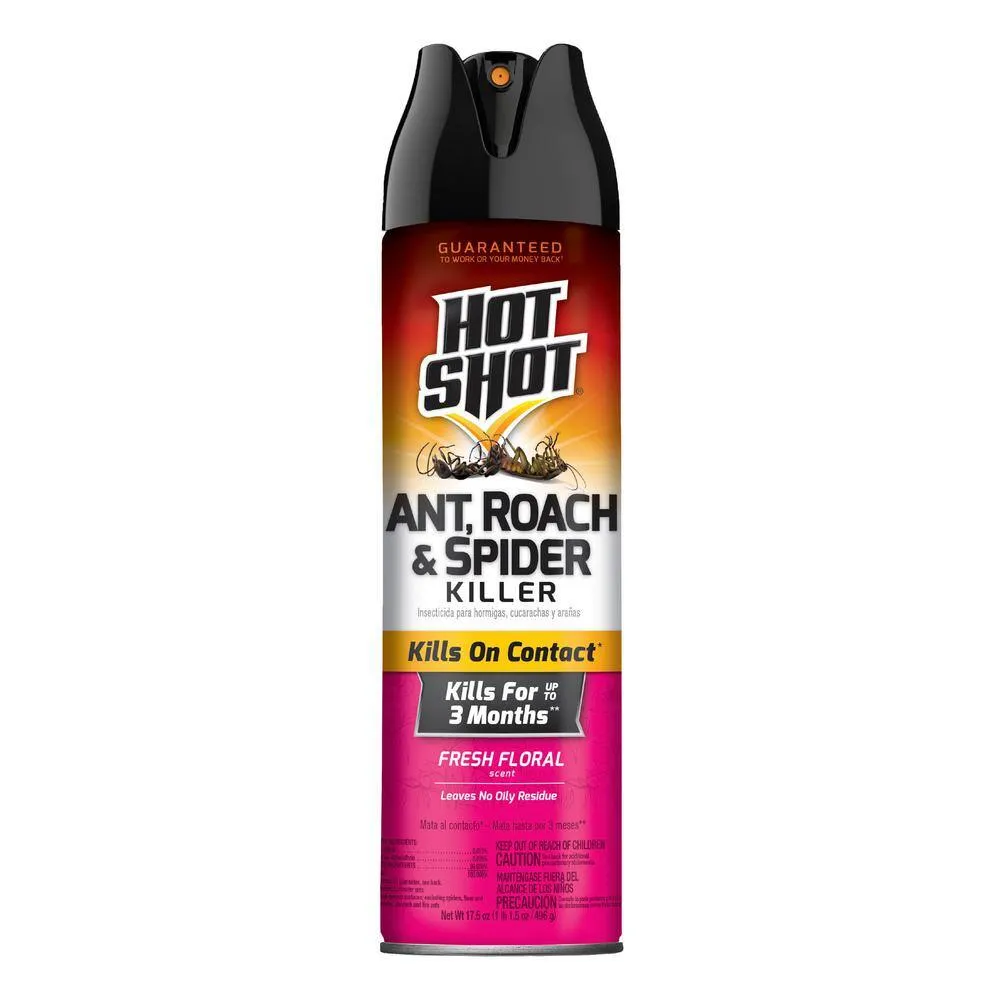
Hot Shot’s aerosol record covers ants and cockroaches, plus spiders and other insects named on the label. It lists imiprothrin at 0.075% and lambda-cyhalothrin at 0.025%, with indoor residential and labeled outdoor home uses.
Check the Hot Shot product page and EPA registration for drying, food, plant, and re-entry directions. A citrus scent does not change the label.
Pros: Ant target record; ready aerosol; active ingredients are documented.
Cons: Aerosol exposure limits use; target breadth does not remove site restrictions.
Check Hot Shot Ant, Roach & Spider Killer
7. Ortho Home Defense Insect Killer for Indoor & Perimeter
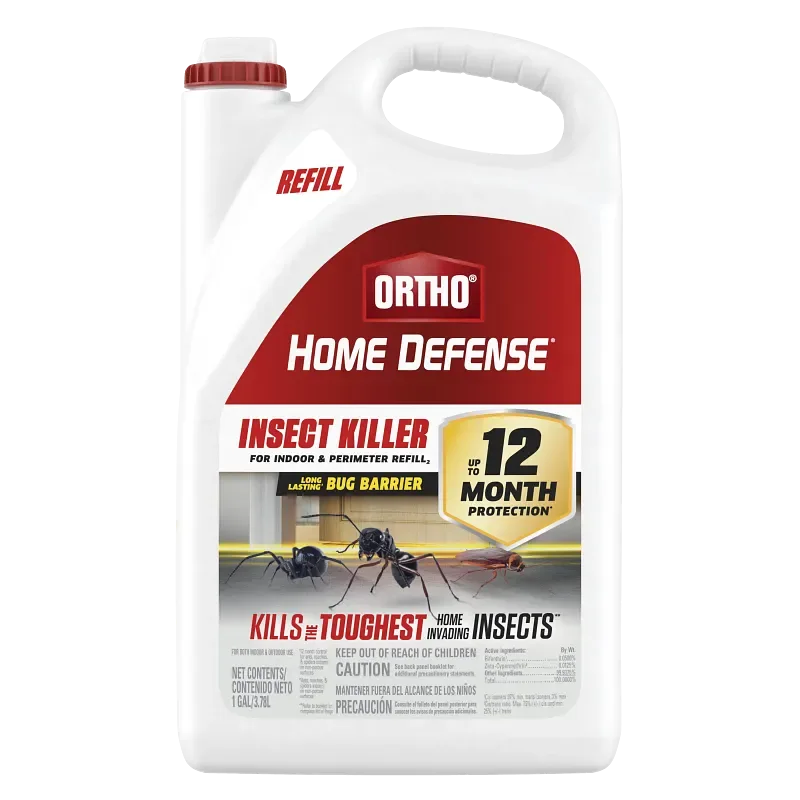
Ortho Home Defense is a water-based ready-to-use perimeter spray with bifenthrin at 0.05% in the locked record. The target category includes household insects listed on the label, including ants and cockroaches. The recorded sites are indoor perimeter and labeled outdoor residential perimeter locations.
Use the Ortho product page and EPA label for runoff, water, drying, and re-entry rules.
Pros: Indoor and outdoor perimeter scope; ready-to-use format; active ingredient is recorded.
Cons: Perimeter spray is not the same as ant bait; runoff and treated-area rules remain.
Check Ortho Home Defense Insect Killer
Buying criteria for ants
Identify the ant and decide whether it is inside, outside, on a plant, or crossing a foundation. Then choose bait, spray, or granules. T300 and T100 are indoor bait formats in the locked record. Amdro is an outdoor perimeter and mound bait. T401, Raid, Hot Shot, and Ortho are sprays with separate site language.
Read the current label for target pest, placement, active ingredient, EPA registration, access, drying, food, plant, runoff, and disposal directions. A product page helps identify the model, but it does not replace the label. State registration can change what is available or allowed.
Use prevention with the product decision. Penn State Extension’s homeowner pest-management resources cover exclusion and integrated pest-management context. University of Minnesota Extension covers identification and beneficial-insect context for outdoor sites.
For a wider household pest plan, compare the home pest-spray guide and roach-control guide.
Frequently asked questions
What is the best pest control for ants?
TERRO T300 is the clearest indoor pre-filled bait choice in this pool. Amdro Ant Block fits an outdoor perimeter or mound site when its current label allows it. T401 is the ant-focused spray choice.
Is ant bait better than ant spray?
They are different formats with different sites and placement rules. Bait may fit a label-approved station placement. Spray may fit a labeled spot or perimeter job. Choose by target, site, and label.
Can I use Amdro Ant Block inside?
The locked record lists outdoor home perimeter and ant mound sites, not indoor use. Follow the current label and do not transfer an outdoor product into a room.
How long does ant bait take to work?
The locked research does not support a universal timing or duration claim. Follow the current label and do not judge one product from another’s directions.
Recommendation
Start indoors with TERRO T300 when the current label matches the ant and placement. Choose T100 when bottle-fed stations fit your plan. Use Amdro outdoors only for its labeled sites, and choose T401 when an ant spray is the better format. Raid, Hot Shot, and Ortho are broader spray options with broader surface questions.
Sources and methodology
She Gardens used the locked pest-control shortlist and source registry researched on 29 August 2026. Product facts came from the manufacturer, EPA, and state label links attached to each pick. Independent context came from Penn State Extension and University of Minnesota Extension. She Gardens did not test these products. Check the current label before use and confirm registration and package details for your jurisdiction.